
JCL Landscape Services
Bartonville Retaining Wall Contractors
JCL Landscape Services is a retaining wall and pool removal specialist serving the Dallas–Fort Worth metroplex since 2006.
A failing or leaning retaining wall in Bartonville needs an engineered fix built for Denton County's shifting clay.
- Serving Bartonville and all of Denton County
- Engineered specifically for North Texas clay soil
- Free on-site estimate, same or next day
Get Your Free Estimate
 4.9out of 5 on Google Reviewson Google115 Google reviews
Trust & Credentials
4.9out of 5 on Google Reviewson Google115 Google reviews- 5,000+ Completed retaining wall and pool-removal projects
- 4.9 stars Google rating across 115 reviews
- A+ BBB accreditation rating
- 5-year Workmanship warranty on every retaining wall
- Since 2006 In continuous operation
Serving Bartonville, TX
A retaining wall that's leaning, bowing, or built from rotting railroad ties doesn't stay a small problem — it becomes a bigger decision about scope, material, and timing the longer it's ignored. Bartonville property owners typically call when a wall starts pulling away from a slope, when timber ties have gone soft, or when a drainage or erosion issue is undermining a foundation-adjacent grade.
JCL Landscape Services works out of Colleyville, roughly 12 miles south of Bartonville, and serves this Denton County market alongside Argyle, Double Oak, Flower Mound, and Lantana. Whether the fix is a single retaining wall, a tiered system for a change in grade, or full replacement of an old timber wall, the scope gets defined on-site before any work starts.
JCL has completed more than 5,000 retaining wall and pool-removal projects for DFW property owners since 2006.
The First Signs a Denton County Wall Is Starting to Fail
A wall doesn't fail overnight. It starts with a tie or block that's shifted out of line, a gap opening at the base, or water pooling against the wall after rain instead of draining past it. On older timber and railroad-tie walls, the wood softens and darkens before it ever visibly leans.
By the time a wall in Bartonville or a neighboring Denton County property is visibly bowing, the soil behind it has already been pushing on it for months, sometimes years. Cracks running through a nearby patio slab or a fence post tilted along the same line are often connected to the same grade problem, not a separate issue.
The property owners who call earliest tend to have the most options — a partial rebuild, added drainage, or a tie-back system instead of a full teardown. Waiting past the point where the wall is visibly leaning usually narrows that list to one option: full replacement.
Why Retaining Walls Struggle on Denton County Clay Near Bartonville
Denton County sits on the same expansive clay that runs across most of North Texas — soil that swells when it's saturated and shrinks hard when it dries out. A wall built without that movement in mind holds through one or two seasons, then starts to lean as the ground behind it keeps expanding and contracting.
Many of the walls failing today in Bartonville and the surrounding Denton County communities were built with railroad ties or stacked block and no engineered drainage behind them. Without a way for water to escape, the clay stays saturated longer after rain, which adds pressure exactly where the wall is weakest.
JCL engineers every replacement wall for that soil movement rather than building to match what failed before. That means grading, drainage, and material choices — Milsap or Granbury stone, block, or poured concrete — matched to the site instead of a one-size design.
From Colleyville to Bartonville: How the Estimate and Build Actually Work
JCL's crews are based in Colleyville, about 12 miles south of Bartonville, which keeps a same-day or next-day on-site estimate realistic rather than a multi-week wait. The estimate visit covers the wall or slope in question, the drainage behind it, and the material options that fit the site.
Once a homeowner signs off, JCL handles the permit process required for the work — filing and managing what's needed rather than leaving that step to the property owner. That's one fewer call to make for a project that already touches grading, drainage, and sometimes a review process.
Build timing depends on wall length, tier count, and material, and gets set during the estimate visit rather than guessed at over the phone. Property owners in Bartonville, Argyle, Double Oak, Flower Mound, and Lantana sit on the same scheduling path, since JCL treats the drive as routine coverage, not a special trip.
The Real Cost of Waiting Out a Leaning or Bowing Wall
A wall that's leaning but still standing feels like it can wait another season. In practice, the soil behind it keeps moving the same way it has been, and the fix that was a straightforward rebuild in spring often turns into a full excavation and replacement by the time cooler weather sets in.
Water finds the path of least resistance, which means a wall problem left alone tends to bring a drainage or erosion problem with it — soil washing out from under a patio, a fence line settling, or a low spot forming where water used to run past instead of pooling.
None of that gets cheaper by sitting. A wall assessed and quoted this season reflects its current condition — the length, the tier count, the material needed. Waiting through another wet season typically means quoting against a bigger tear-out and a longer list of what needs fixing.
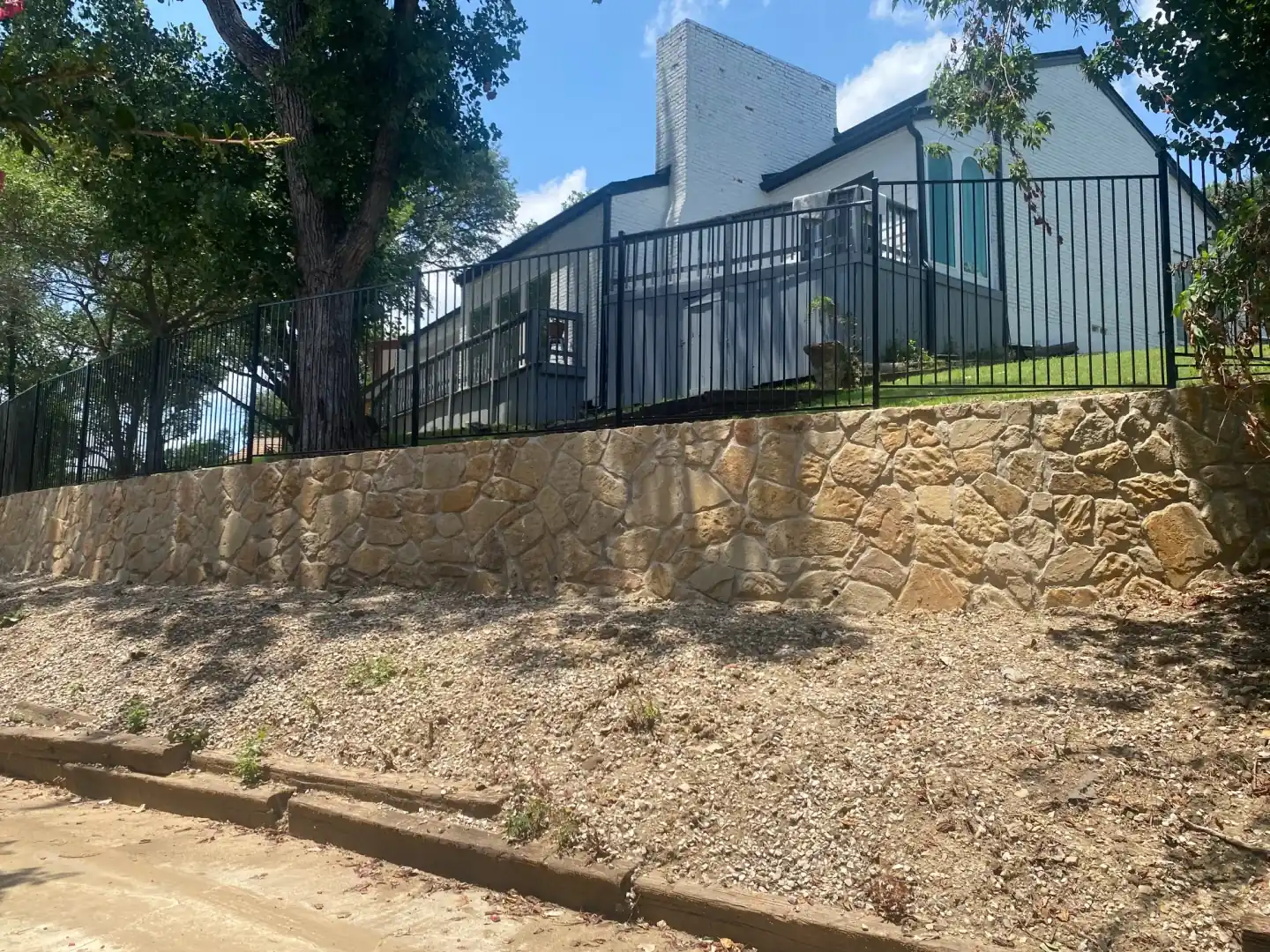
Recent Retaining Wall Services Projects
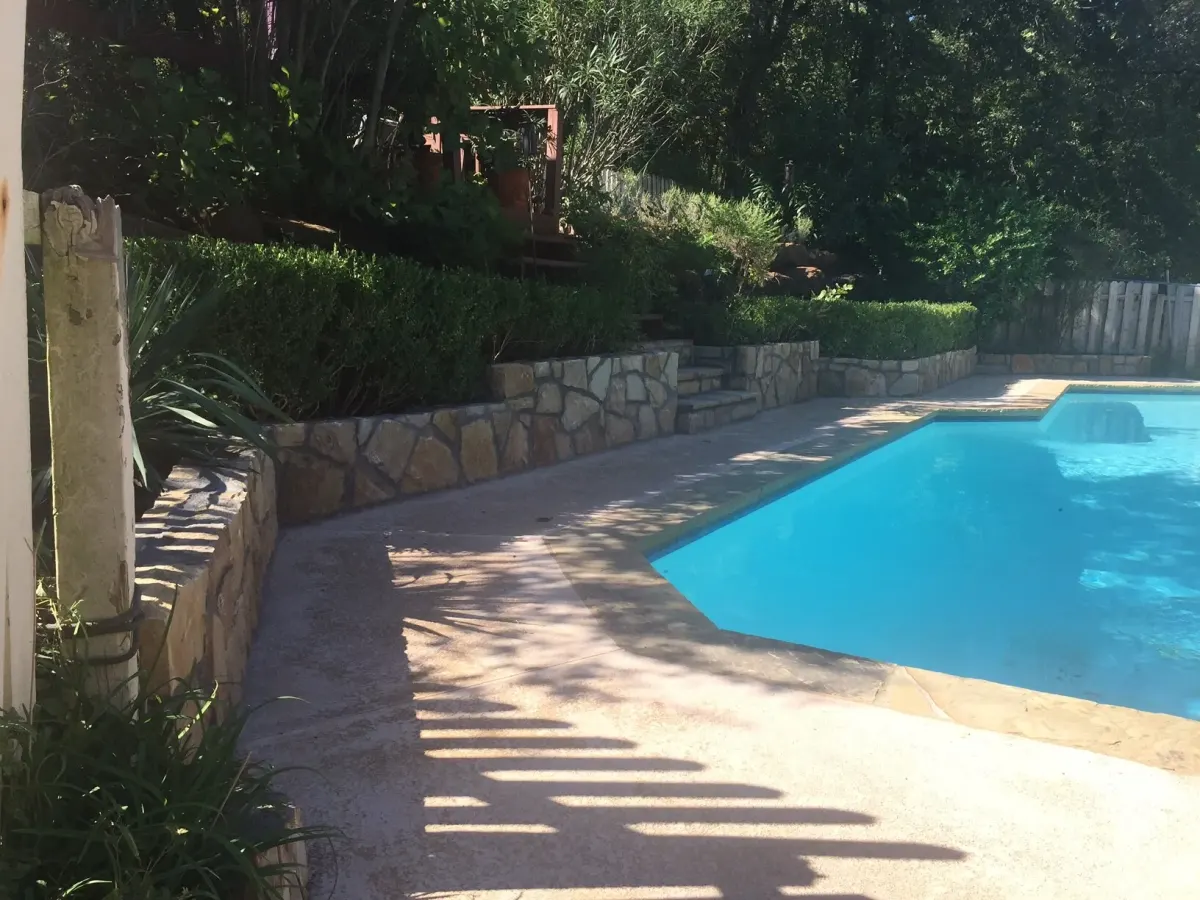
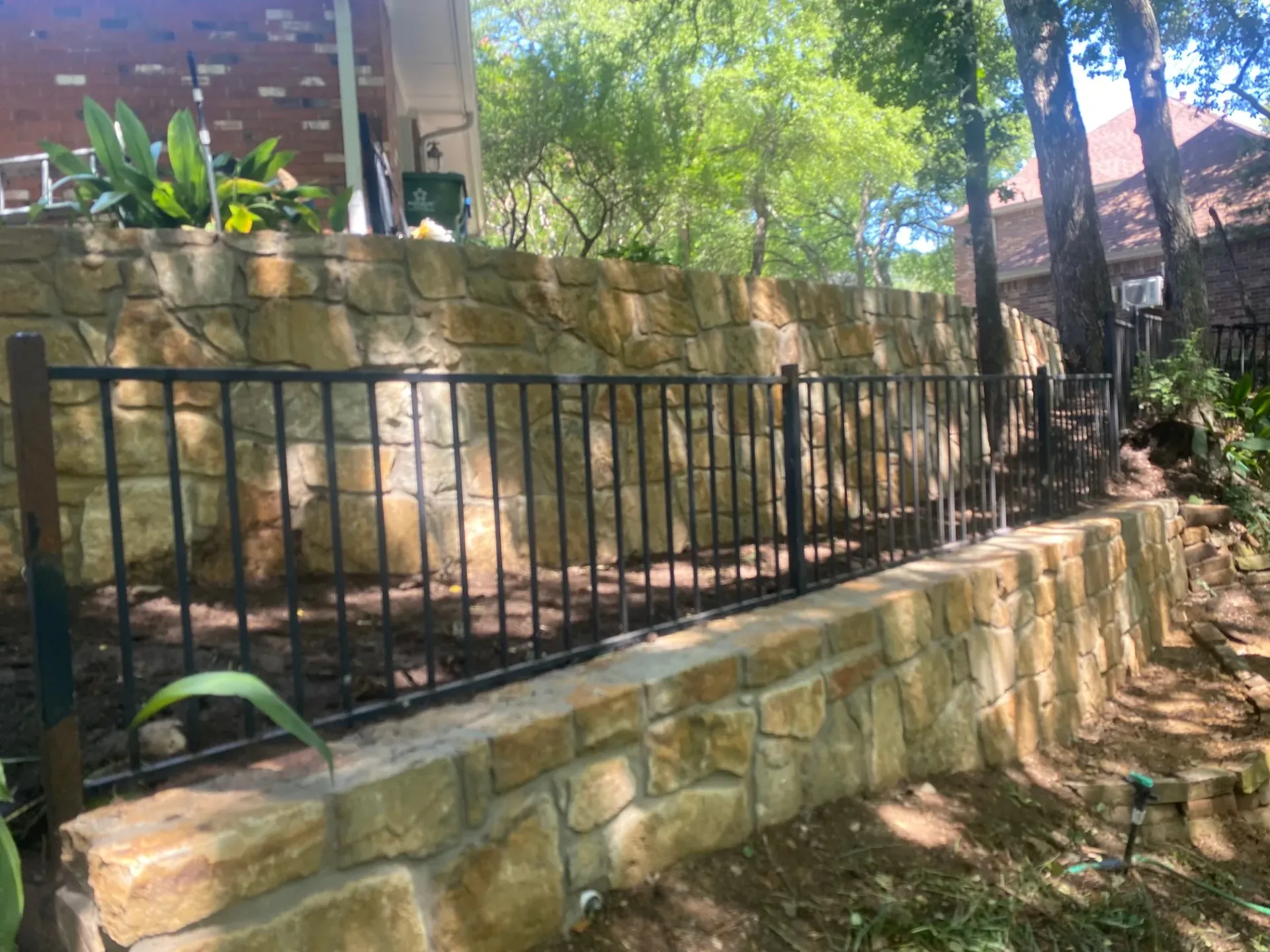
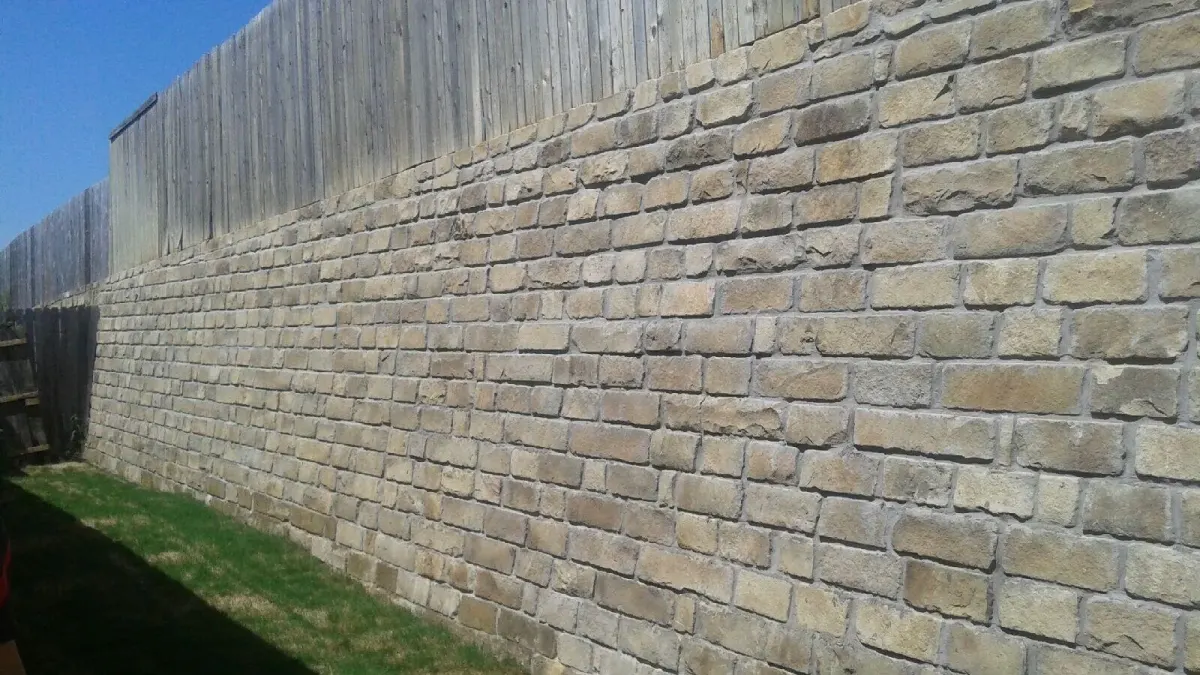
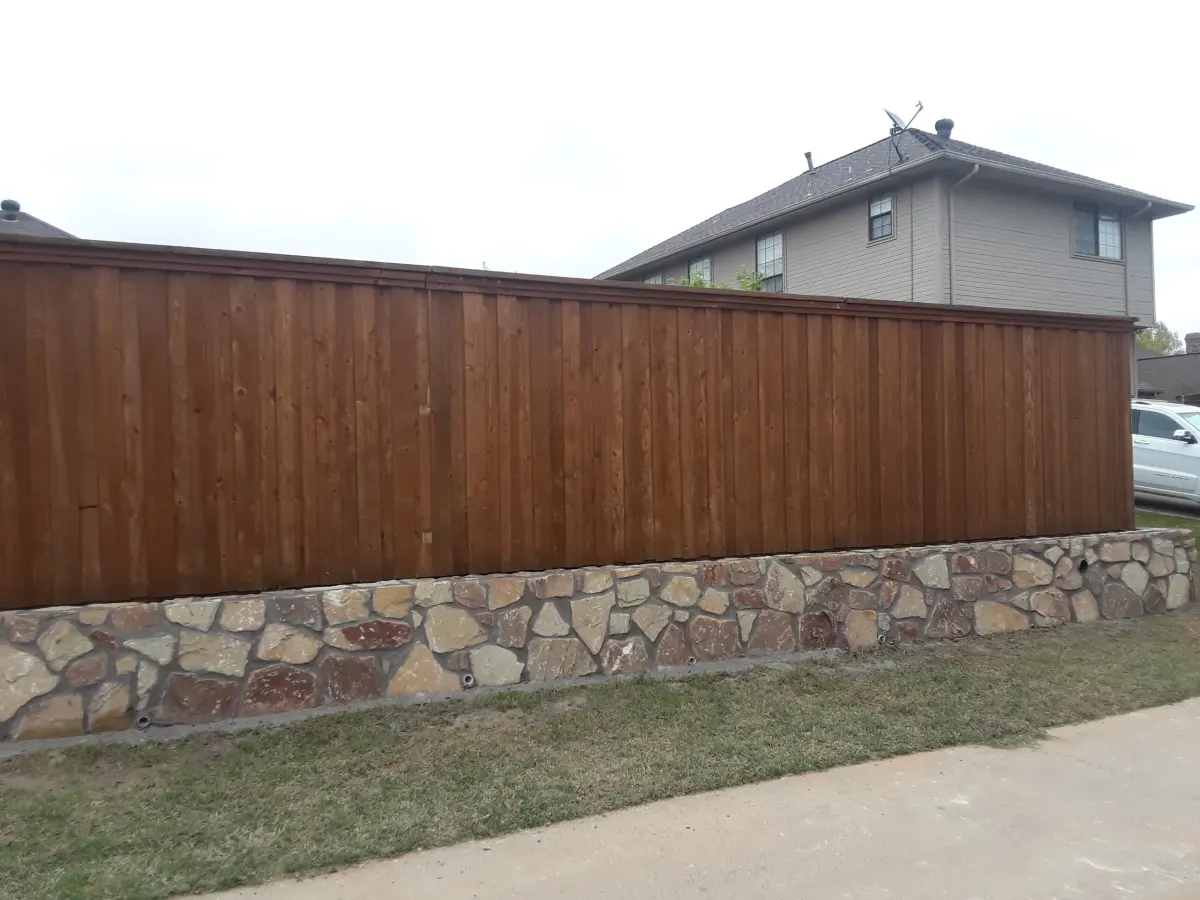
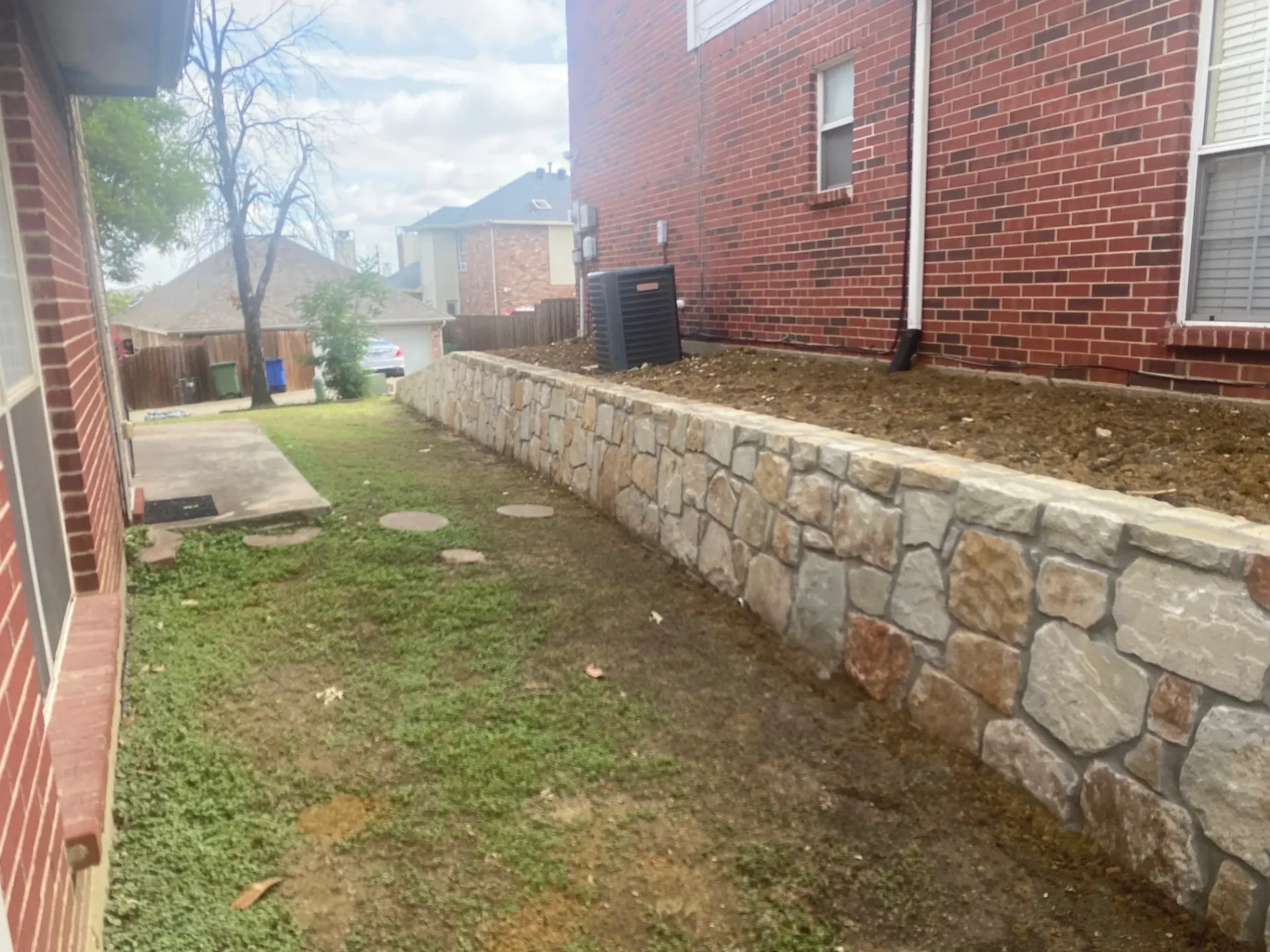
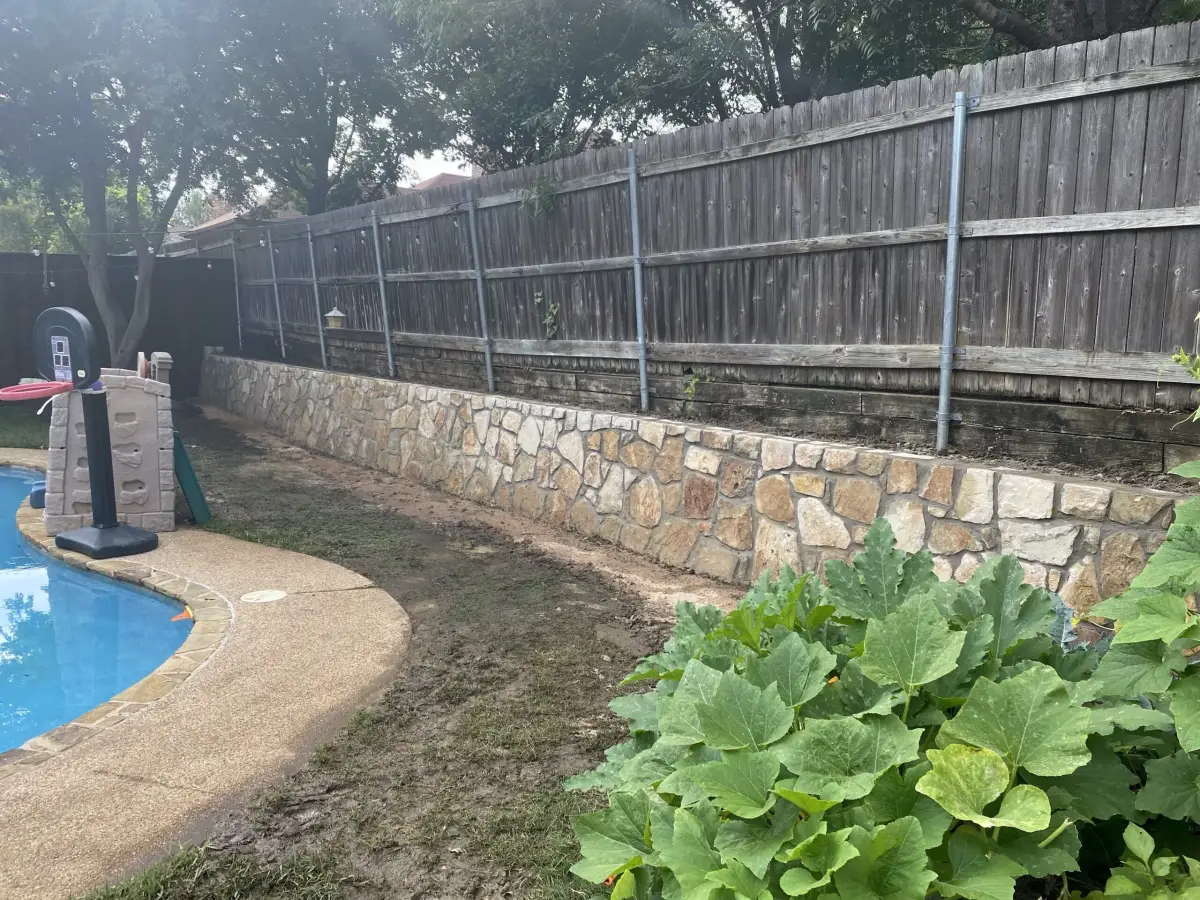
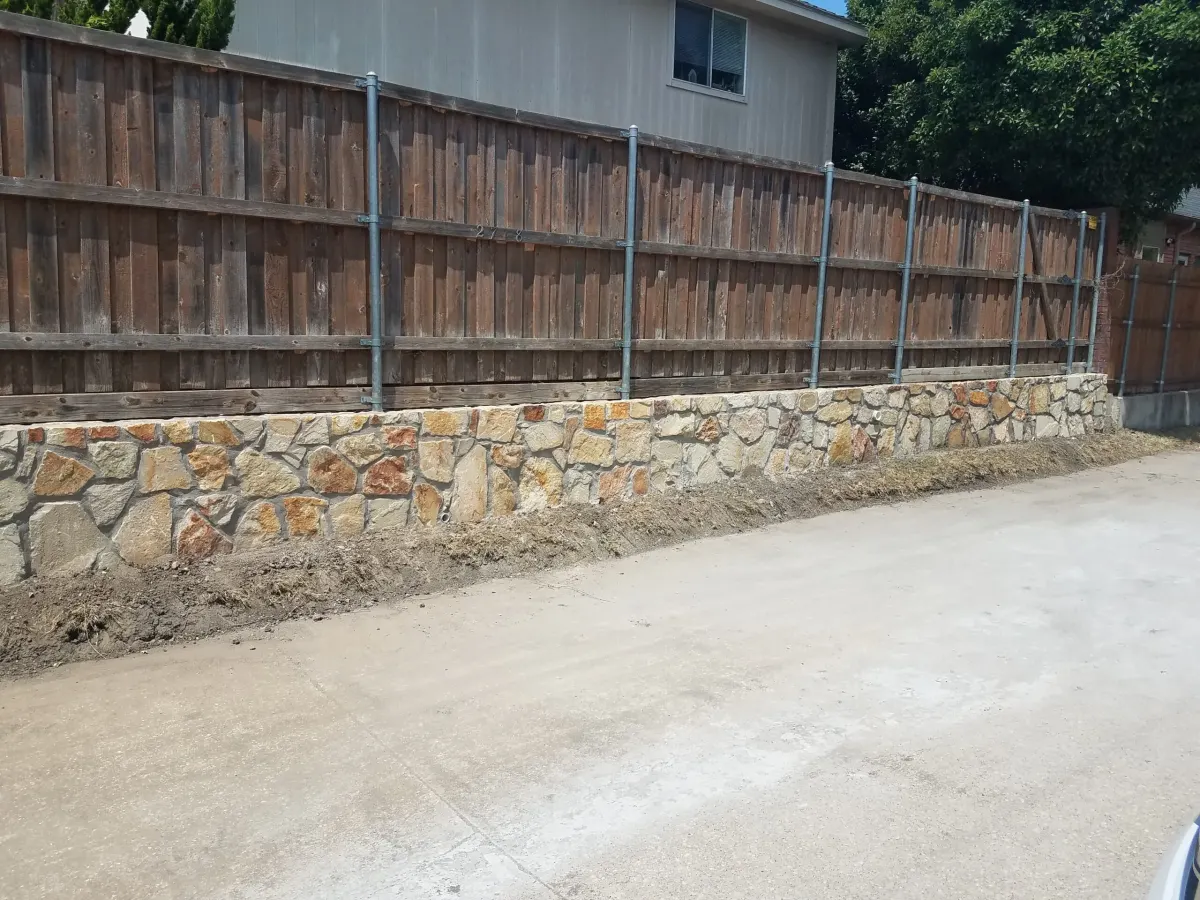
A selection of completed projects near Bartonville and across the Dallas–Fort Worth metroplex.
Quick answer
How do I know if my retaining wall needs to be replaced instead of repaired?
A wall that's still standing straight but showing hairline cracks or minor settling can often be repaired or reinforced. Once a wall is visibly leaning, has a bulge, or ties have rotted through, replacement is usually the only durable fix — JCL determines which applies during the on-site estimate, not over the phone.
Frequently Asked Questions
Common questions from Bartonville homeowners.
How do I know if my retaining wall needs to be replaced instead of repaired?
A wall that's still standing straight but showing hairline cracks or minor settling can often be repaired or reinforced. Once a wall is visibly leaning, has a bulge, or ties have rotted through, replacement is usually the only durable fix — JCL determines which applies during the on-site estimate, not over the phone.
Does Bartonville require a permit for a new retaining wall?
Permit requirements vary by project scope and by whether a wall is on a Bartonville property or one of the neighboring Denton County cities JCL serves. JCL manages that process directly — filing and tracking whatever permit the specific wall requires — so it's not left to the homeowner to research.
How long does a retaining wall project take from estimate to completion?
Timeline depends on the wall's length, height, tier count, and material, and gets set at the estimate visit rather than quoted generically over the phone. Because JCL is based in Colleyville, about 12 miles from Bartonville, scheduling the initial estimate is typically same-day or next-day.
What materials work best for a retaining wall in Denton County?
JCL builds with Milsap or Granbury stone, concrete block, or poured concrete, chosen based on the wall's height, the slope behind it, and how the soil on that specific site behaves. All three options are engineered for North Texas's expansive clay rather than built to a single standard spec.
Can you fix a wall built from railroad ties, or does it need full replacement?
Railroad-tie walls can sometimes be shored up if the rot is limited and the wall hasn't shifted, but most tie walls that reach the point of visible leaning need full replacement. The wood has typically already lost its structural strength below the surface even when the top ties look intact.
How far out do you schedule work for Bartonville and nearby cities?
JCL serves Bartonville alongside Argyle, Double Oak, Flower Mound, Lantana, and the wider Dallas–Fort Worth metroplex from its Colleyville base. Scheduling for the Bartonville area runs on the same timeline as the rest of the Denton County work JCL covers.
What's included in the free estimate?
The estimate is a free on-site visit — usually scheduled same-day or next-day — where JCL evaluates the wall or slope, checks drainage, and provides a firm quote before any work begins. There's no cost or obligation to get that assessment done.
Do you handle drainage or erosion issues along with the wall itself?
Yes. Retaining wall failures and drainage or erosion problems are usually connected, so JCL evaluates grading and water flow around the wall as part of the same project rather than treating them as separate jobs.
Our Other Services
Retaining Wall Services and Pool Removal across the Dallas–Fort Worth metroplex.