
Retaining walls are the perfect solution for creating a level area, despite sloping terrain. For this project, we created a retaining wall driveway that adds much greater functionality for this homeowner in the Dallas-Ft. Worth area.
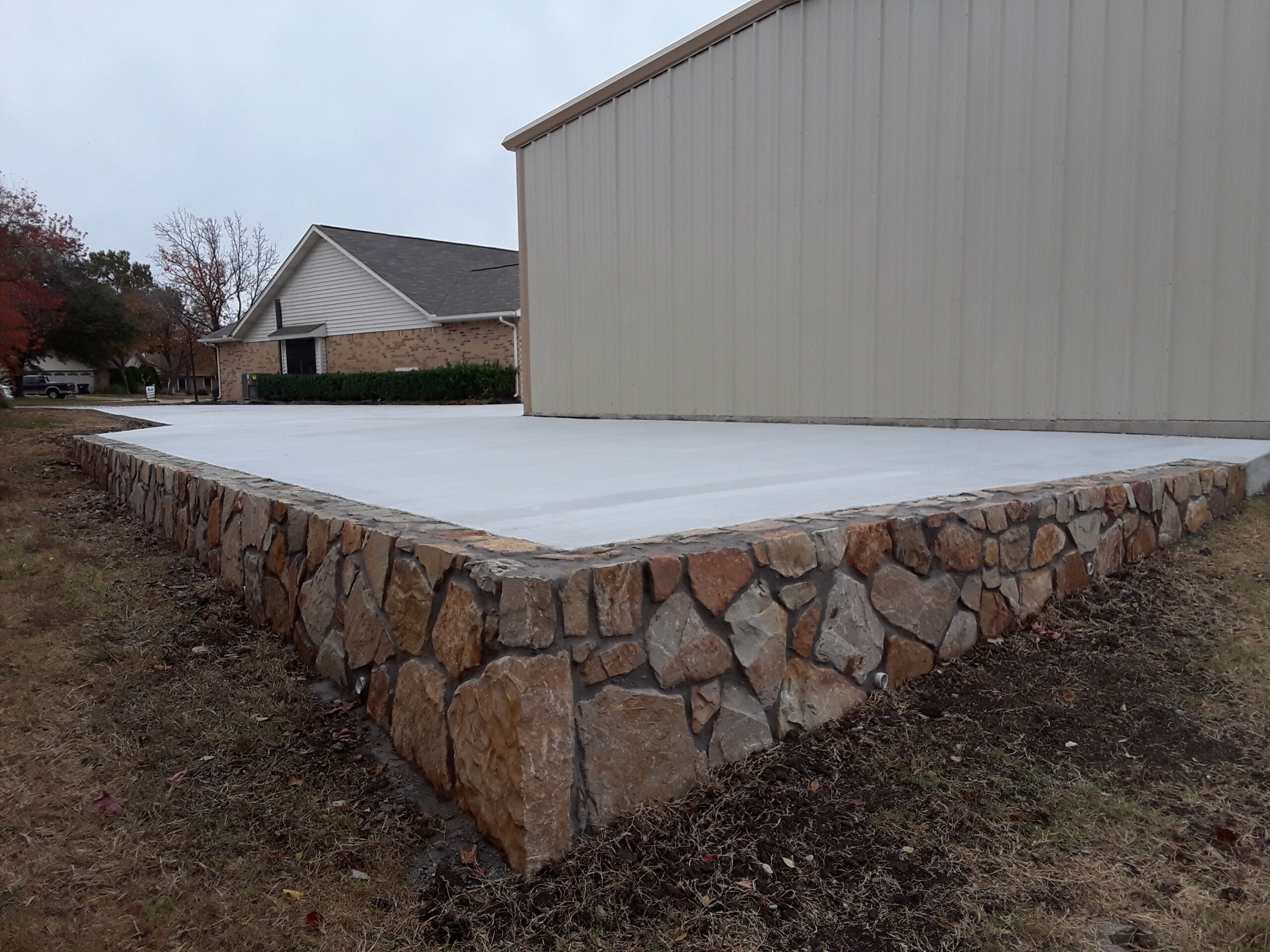
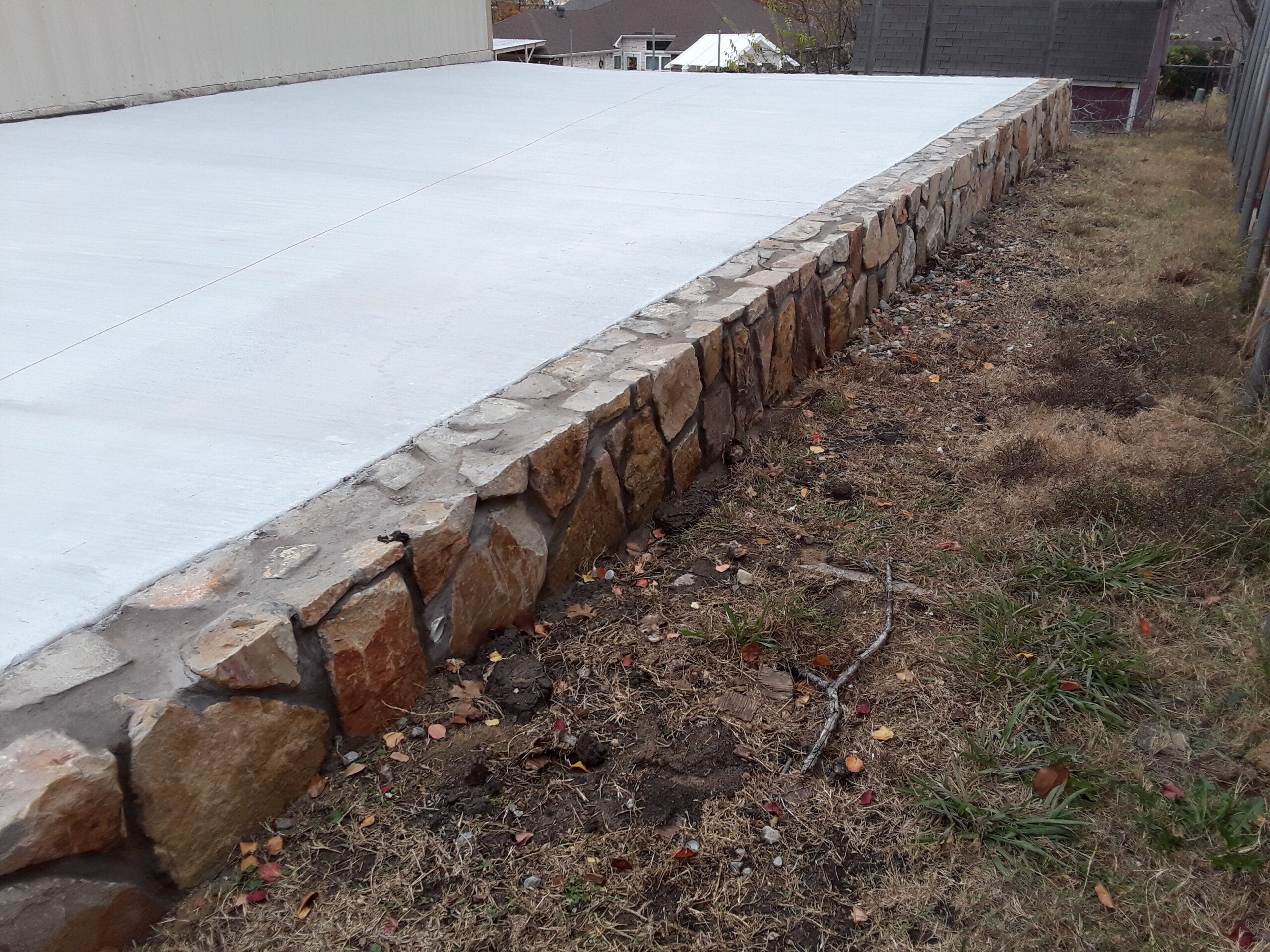
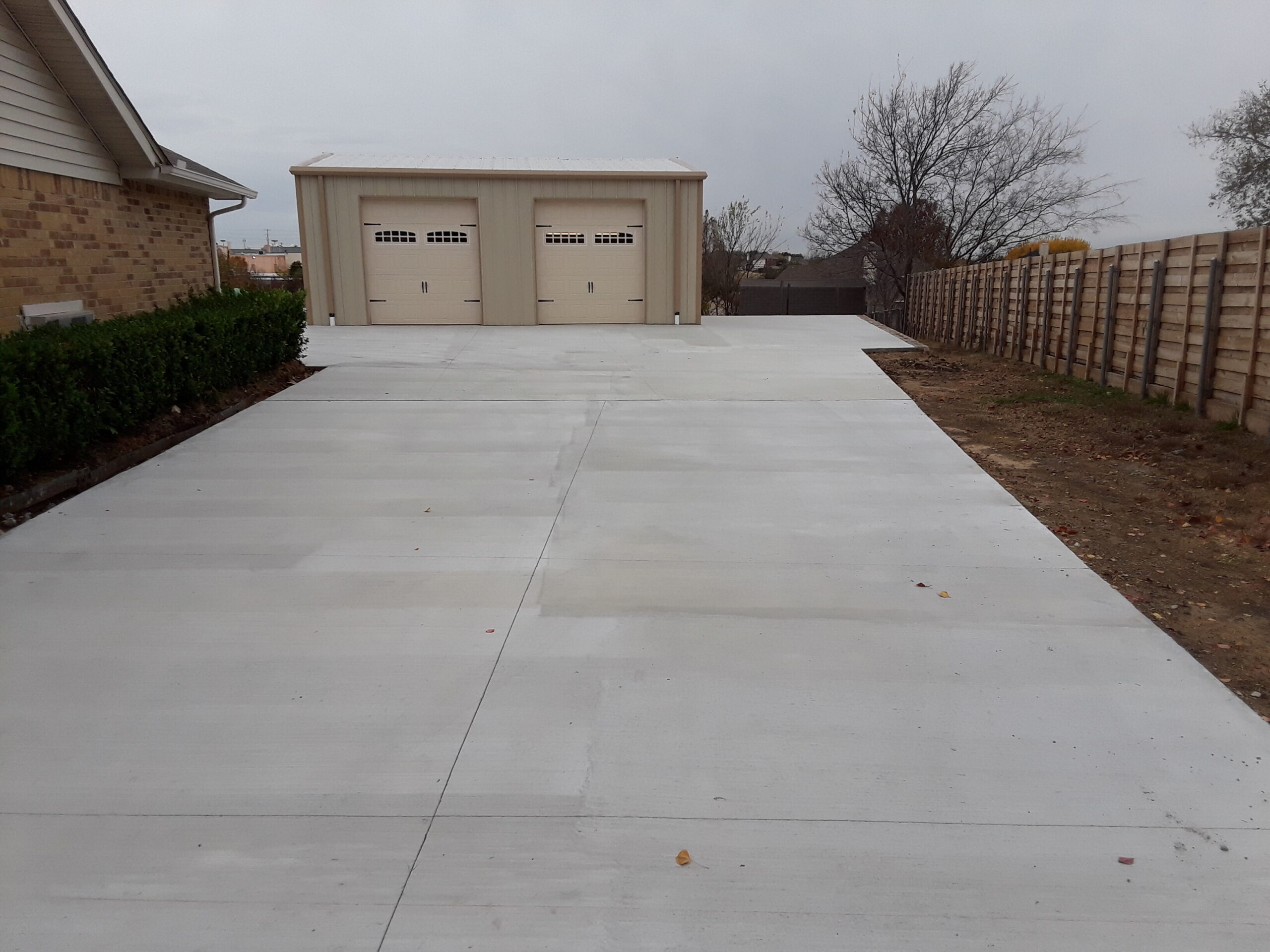
Retaining Wall Driveway Overview
To begin, our crew added soil to build up the driveway area to a level surface. Then, we created a short retaining wall using Milsap Stone, a natural material often used for retaining walls. Next, 4500 square feet of new concrete was poured. The result is a smooth, flat driveway that adds both curb appeal and function.
Experienced Retaining Wall Contractor
We want to turn your landscaping and retaining wall ideas into a reality. Retaining wall construction, pool patios, fencing, landscaping, and pool demolition is our specialty. Our goal is to create and maintain outdoor spaces that homeowners will enjoy for years. We promise to deliver professional results at a reasonable price.
Here’s what separates JCL Landscaping from the competition:
- Over 15 years experience
- Warranty on all new retaining walls
- Specialization in both commercial and residential projects
- Free and professional “no-hassle” design estimates
- A multi-talented team to address the complete needs of any project
- A+ and 5-star customer ratings
- Fully licensed and insured
- If you’re considering a retaining wall, outdoor landscaping, or pool demolition project please give us a call. We’re committed to providing trusted expertise that you can count on. Follow this link to contact us or call us anytime at (817) 716-3095.
Proudly Serving the Greater Dallas / Ft. Worth Areas
We are retaining wall specialists serving the following DFW areas: Addison, Allen, Argyle, Arlington, Bedford, Carrollton, Colleyville, Coppell, Dallas, Dalworthing Gardens, Denton, Euless, Farmers Branch, Flower Mound, Frisco, Garland, Grand Prairie, Grapevine, Highland Park, Highland Village, Hurst, Irving, Keller, Kennedale, Lake Worth, Las Colinas, Lewisville, Little Elm, McKinney, North Richland Hills, Pantego, Plano, Richardson, Roanoke, Saginaw, Southlake, The Colony, Trophy Club, University Park and Westlake.
