
JCL Landscape Services
The Colony Retaining Wall Contractors
JCL Landscape Services is a retaining wall and pool removal specialist serving the Dallas–Fort Worth metroplex since 2006.
The Colony homeowners get an engineered, permitted retaining wall solution for a leaning, railroad-tie, or slope-erosion problem in Denton County clay.
- Built for Denton County's shifting clay soil
- Tiered systems for steep or sloped lots
- Railroad-tie wall replacement, done right
Get Your Free Estimate
 4.8out of 5 on Google Reviewson Google113 Google reviews
Trust & Credentials
4.8out of 5 on Google Reviewson Google113 Google reviews- 5,000+ Completed retaining wall and pool-removal projects
- 4.8 stars Google rating across 113 reviews
- A+ BBB accreditation rating
- 5-year Workmanship warranty on every retaining wall
- Since 2006 In continuous operation
Serving The Colony, TX
A retaining wall doesn't usually get replaced because a homeowner wants a new one — it gets replaced because a railroad tie has softened, a section is leaning, or soil keeps washing off a slope after rain. That's the situation that brings most The Colony property owners to this page: a wall or grade problem that's gotten visibly worse over a season or two and now needs a real decision, not another patch job.
Serving The Colony, TX in Denton County, JCL also works the surrounding cities of Carrollton, Frisco, Lewisville, Little Elm, and Plano, so a crew already knows the clay conditions common to this part of the metroplex before they ever step onto your property. Whether the job is a full wall replacement, a new tiered system for a steep grade, or a drainage fix tied into the wall design, the scope gets set at the estimate, not guessed at after the contract is signed.
JCL has completed more than 5,000 retaining wall and pool-removal projects for DFW property owners since 2006.
What a The Colony Homeowner Notices Before Calling About a Wall
Most calls start with something visible: a wall that used to sit flush now shows a gap at the top, a railroad tie has gone soft and pulled forward, or mulch and soil keep migrating downhill after every rain. Some homeowners notice a crack forming in a patio or walkway that sits above or below the wall line — a sign the movement isn't isolated to the wall itself.
Others call because water is pooling somewhere it shouldn't, either against a foundation or in a low spot in the yard that never used to hold water. That's often a drainage issue as much as a wall issue, and the two get solved together rather than separately.
Timing matters here. A wall that's leaning an inch this year is rarely the same problem next year — the movement compounds, and what starts as a cosmetic issue becomes a structural one.
Why Denton County Clay Is Hard on Walls That Weren't Engineered for It
Clay soil in this part of Denton County expands when it's wet and contracts when it dries out, and that seasonal swing puts constant pressure on anything holding back a slope. A wall built without engineering for that movement — a common issue with older railroad-tie construction — tends to lean, bow, or separate at the joints over time rather than fail all at once.
Drainage behind the wall matters as much as the wall material itself. Water that has nowhere to go builds hydrostatic pressure against the structure, and that pressure is what eventually pushes a wall forward regardless of what it's built from.
A wall designed for this soil accounts for both the clay's movement and where the water goes once it hits the slope — not just the visible face of the wall.
From Colleyville to Your The Colony Property: How the Estimate and Build Actually Run
JCL is based in Colleyville, roughly 21 miles southwest of The Colony, and that distance shapes how a project gets scheduled rather than how it gets built. The estimate visit covers measuring the slope, checking soil and drainage conditions, and confirming wall length and material before any number gets quoted.
Once the design and material are approved, JCL handles the paperwork the project requires before the build crew mobilizes. Permit timing depends on wall height, footprint, and the specific grading involved, and the build gets scheduled once that clearance is in hand.
For a property in The Colony, that means one crew handling design, permitting, and construction from a single point of contact — not separate vendors coordinating around each other.
What a Failing Wall Costs a The Colony Homeowner Who Waits
A leaning wall doesn't stabilize on its own, and waiting through another wet season generally means more soil loss, a wider lean, and a larger repair scope than what exists today. What could be handled as a section replacement often turns into a full wall rebuild once enough of the structure has shifted.
Erosion compounds the same way. Soil that washes downhill during one storm keeps washing during the next, undermining whatever the wall was originally holding back and sometimes reaching a patio, walkway, or foundation edge before anyone planned for it to.
The decision isn't really whether to fix it — it's whether to fix it while it's still a contained job or after it's grown into a bigger one.
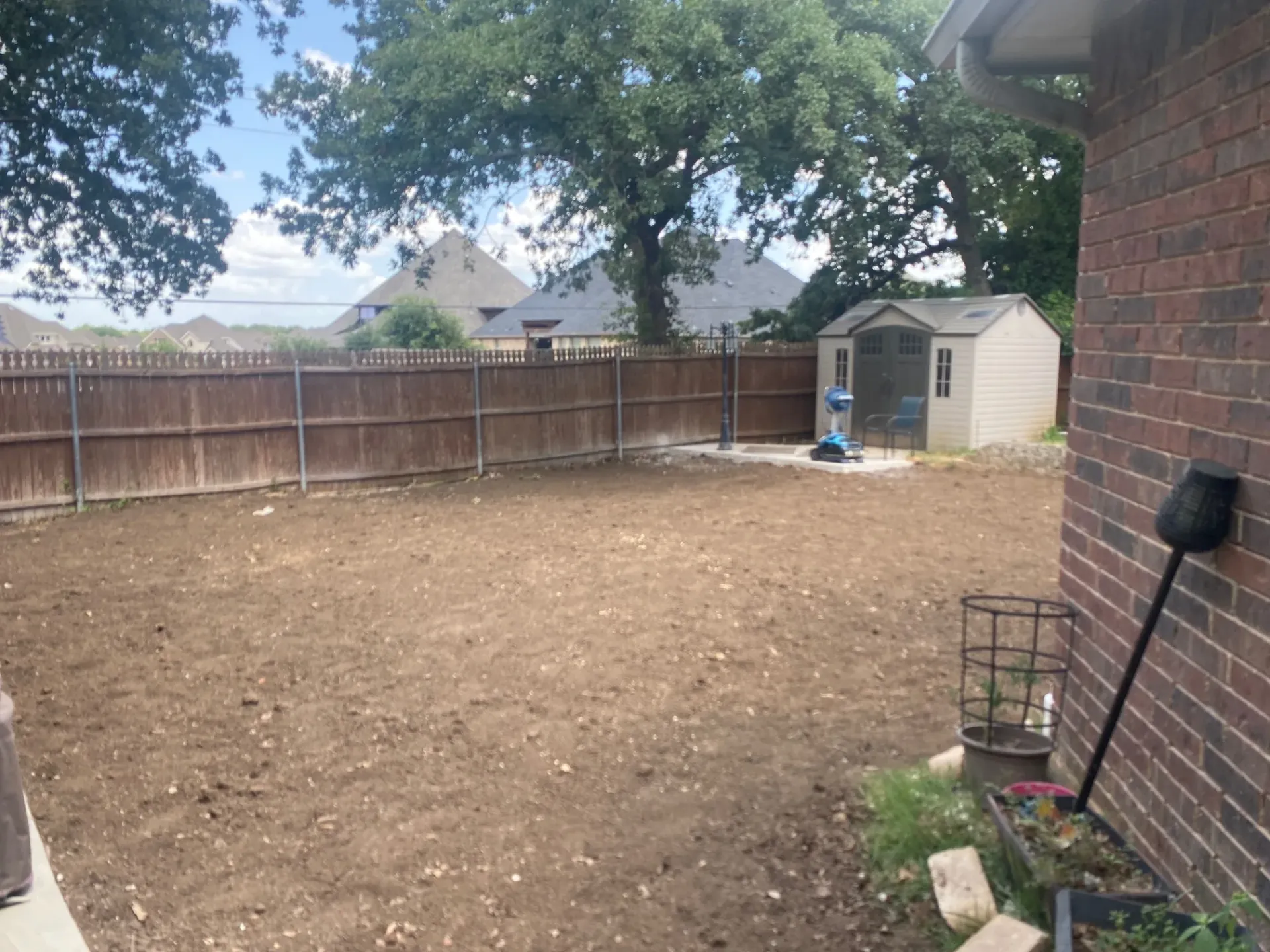
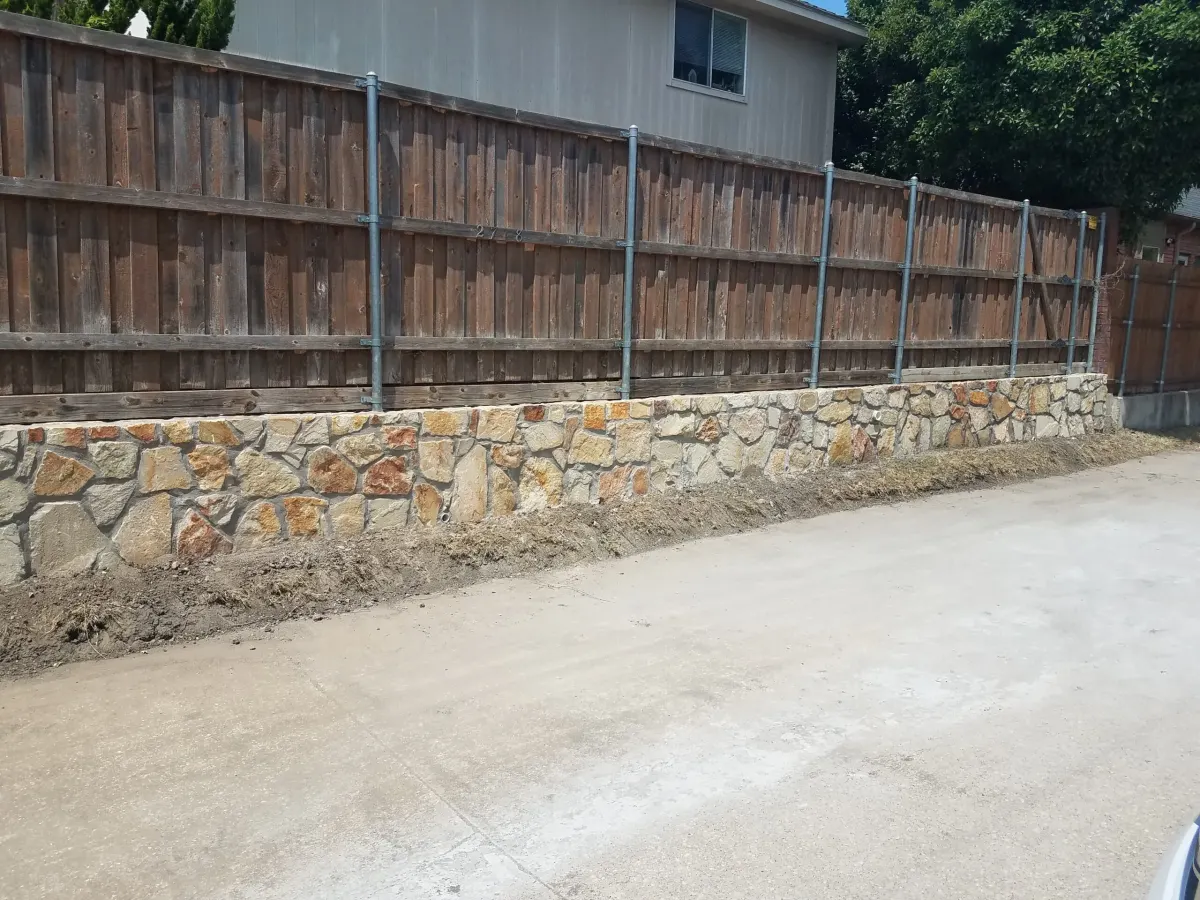
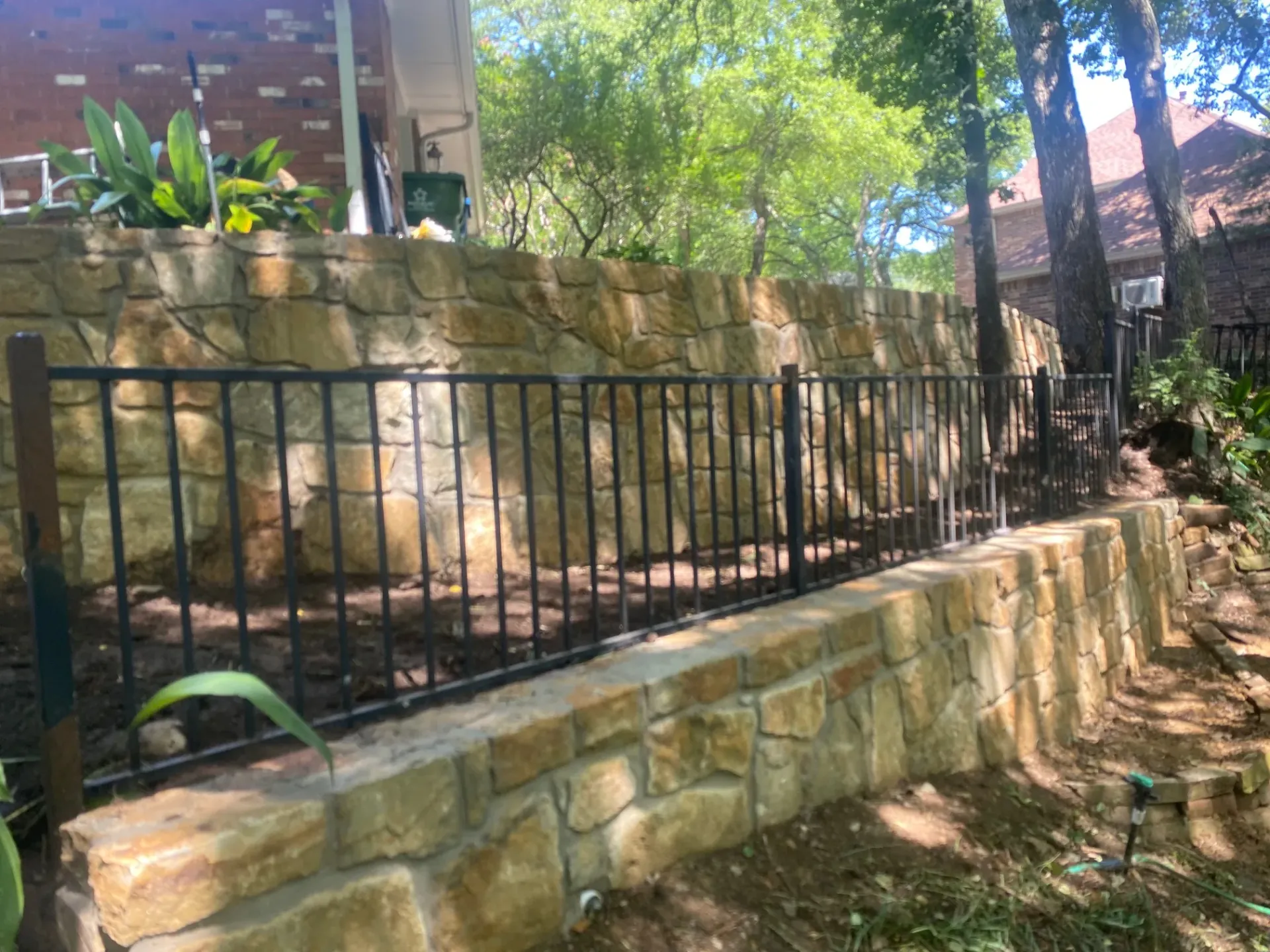
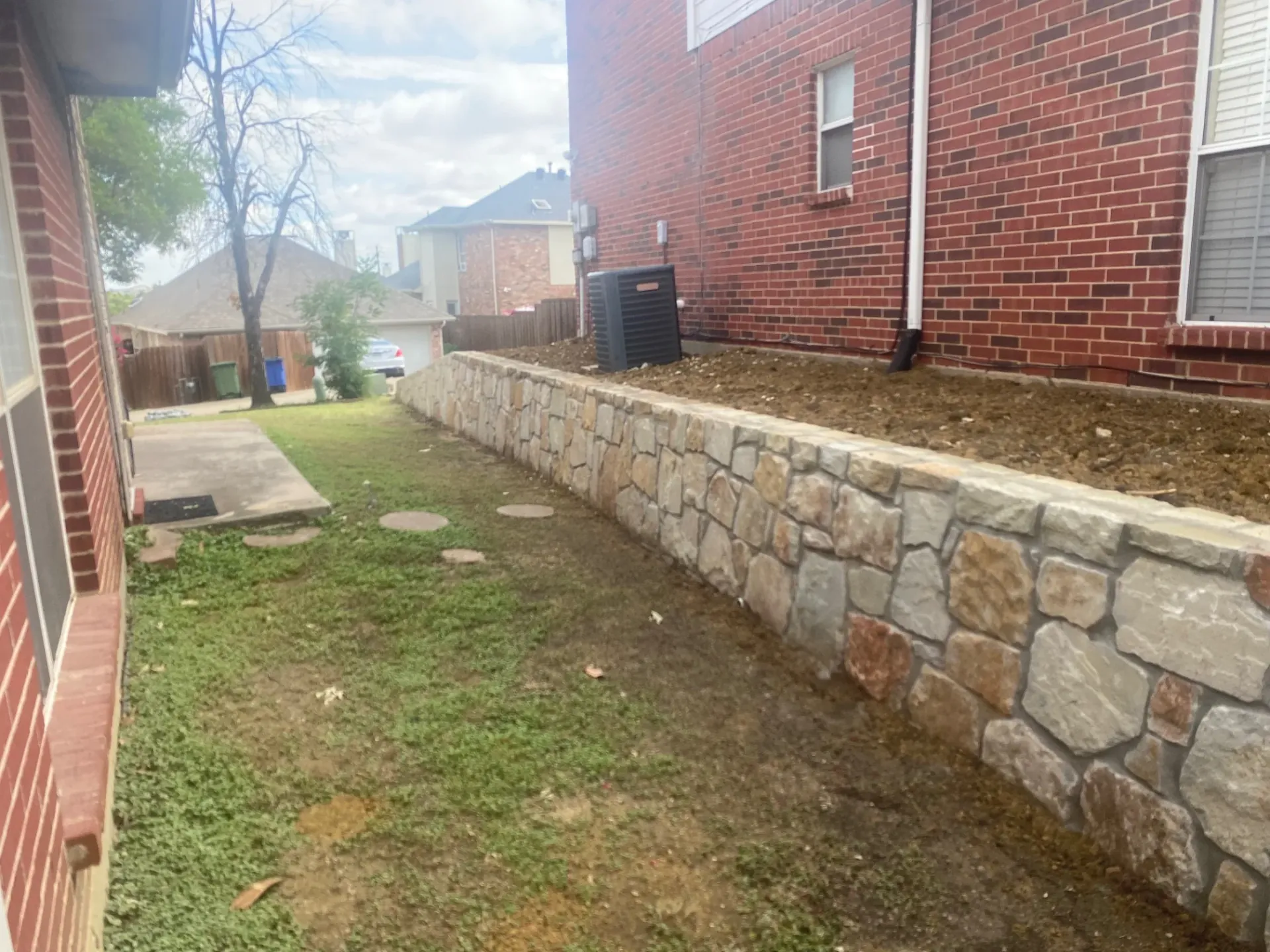
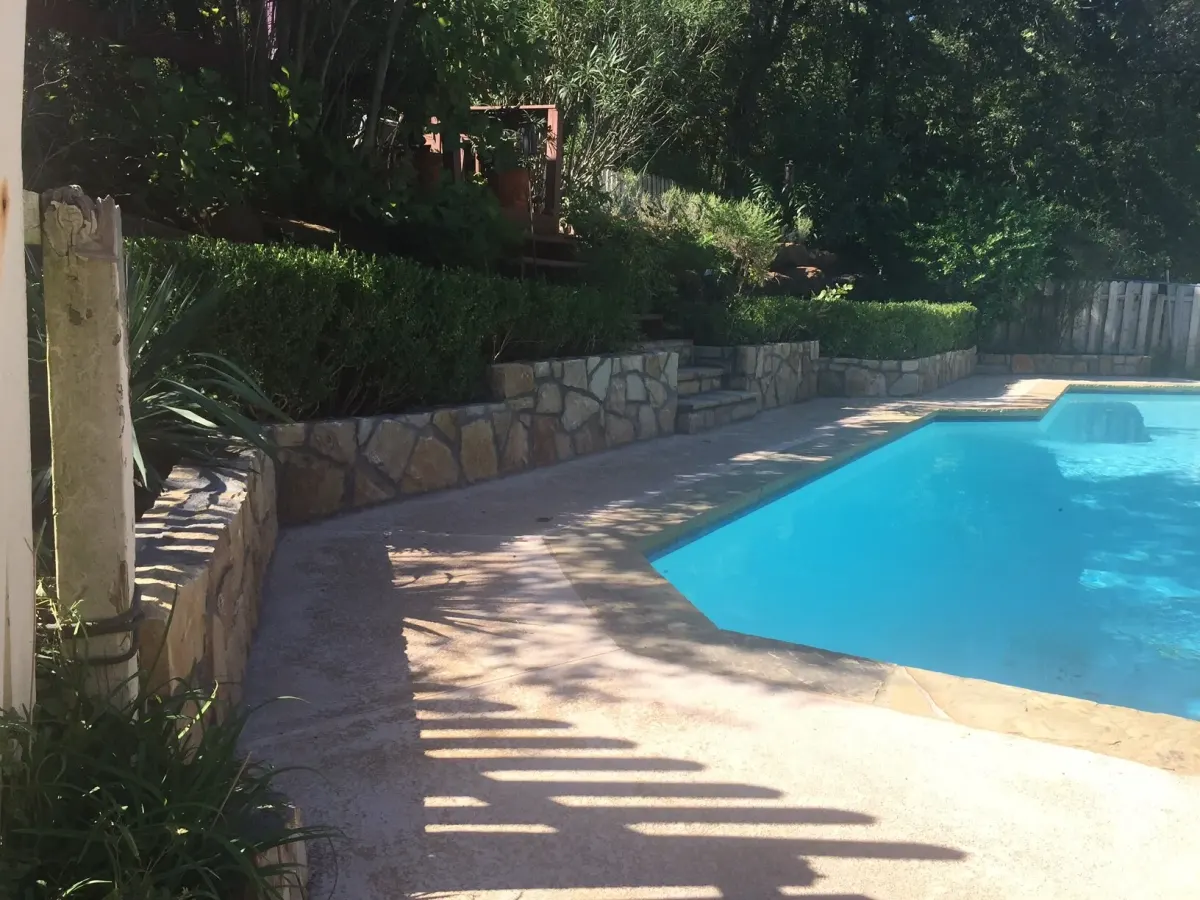
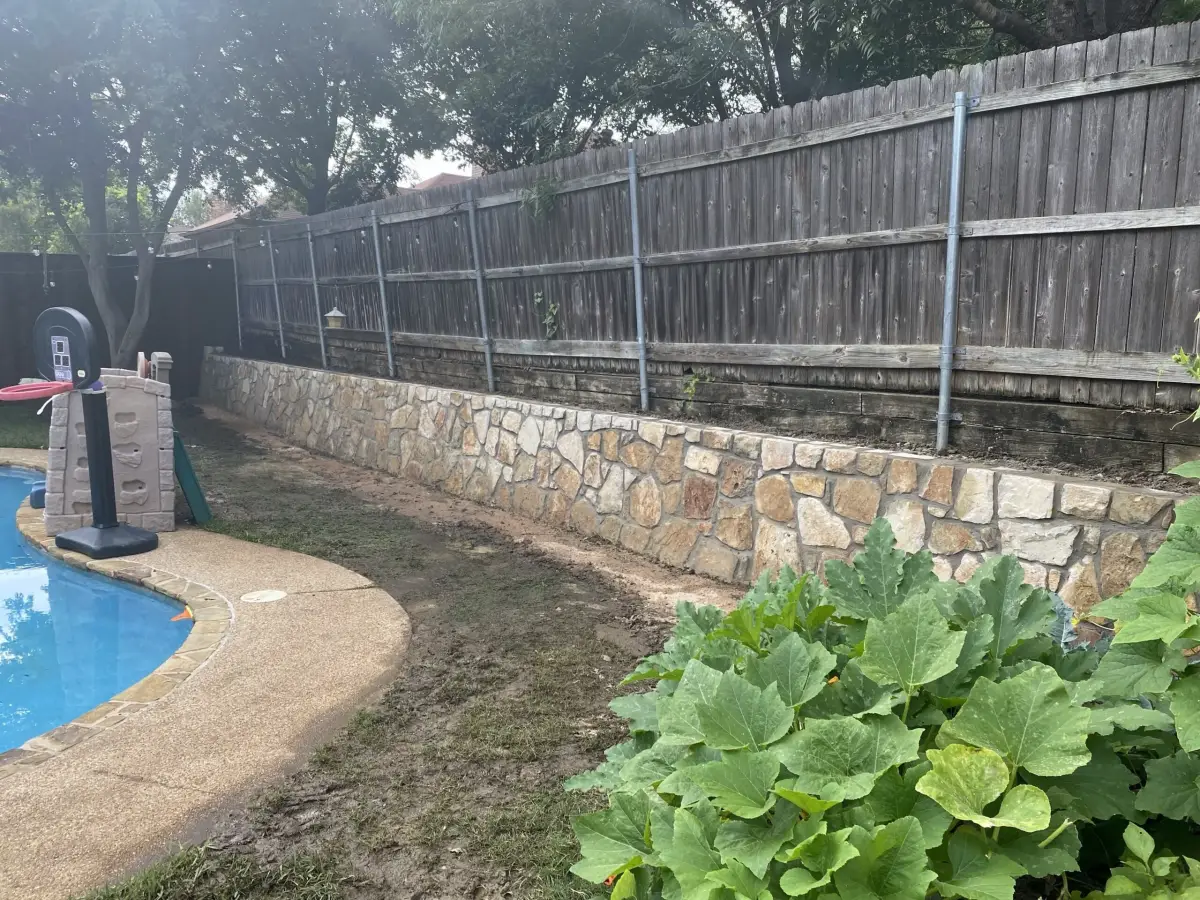
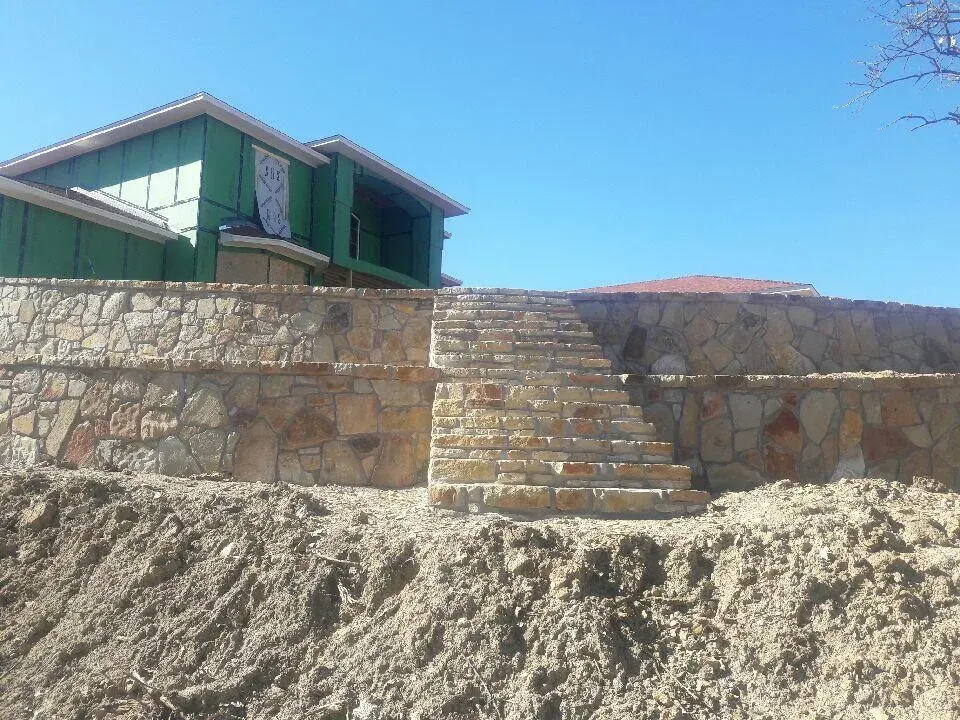
Recent Retaining Wall Services Projects
A selection of completed projects near The Colony and across the Dallas–Fort Worth metroplex.


Quick answer
How do I know if my wall needs replacing instead of repair?
A lean, a gap opening at the top, or a softened railroad tie usually means the soil behind the wall has already shifted, not just the visible surface. In Denton County's clay, that kind of movement rarely stops on its own, so a full section or wall replacement is often the more lasting fix compared to patching.
Frequently Asked Questions
Common questions from The Colony homeowners.
How do I know if my wall needs replacing instead of repair?
A lean, a gap opening at the top, or a softened railroad tie usually means the soil behind the wall has already shifted, not just the visible surface. In Denton County's clay, that kind of movement rarely stops on its own, so a full section or wall replacement is often the more lasting fix compared to patching.
What wall materials does JCL use for The Colony properties?
JCL builds with Milsap or Granbury stone, concrete block, or poured concrete, chosen based on the wall's height, the slope it's holding, and drainage conditions on the property. The right material depends on the site, so that gets decided at the estimate rather than before it.
How long does a retaining wall project take from estimate to finished build?
Timing depends on wall length, whether it's a single wall or a tiered system, and how long permit clearance takes for the specific footprint and height involved. The estimate visit is where JCL lays out what the schedule looks like for your specific project.
Do I need a permit for a retaining wall in Denton County?
Most retaining wall projects of meaningful height or scope require a permit, and requirements vary by wall type and location. JCL obtains and manages all required permits as part of the project, so it isn't something the homeowner has to handle separately.
Can a new retaining wall fix a drainage or standing-water problem?
In many cases, yes — a wall designed with proper drainage behind it redirects water away from a slope instead of letting it pool against a foundation or low spot in the yard. That's why drainage gets assessed alongside the wall itself at the estimate, not treated as a separate issue.
What's the difference between a single retaining wall and a tiered system?
A tiered system uses two or more shorter walls with a level step between them instead of one tall wall holding back the full grade change. Steeper slopes or larger elevation changes often call for tiers, both for stability in expansive clay and for how the finished yard is used.
Does JCL serve properties near The Colony, like Frisco or Little Elm?
Yes — JCL serves The Colony along with Carrollton, Frisco, Lewisville, Little Elm, and Plano, so a project in The Colony is handled by a crew already familiar with the clay conditions across this part of Denton County.
What should I compare when getting multiple bids for a retaining wall?
Compare whether the bid specifies the actual material and wall type, whether permit handling is included in the quoted price, and whether the price is locked in before work starts or subject to change orders. Those details matter more for a lasting fix than the headline number alone.
Our Other Services
Retaining Wall Services and Pool Removal across the Dallas–Fort Worth metroplex.
About Our Retaining Wall Services Program
Recent Retaining Wall Projects Near The Colony
Real completed jobs from our crews in and around The Colony, with photos and project details.