
JCL Landscape Services
Watauga Retaining Wall Contractors
JCL Landscape Services is a retaining wall and pool removal specialist serving the Dallas–Fort Worth metroplex since 2006.
For Watauga homeowners with a leaning, bowing, or railroad-tie wall, JCL engineers a fix built for Tarrant County clay.
- Engineered for Tarrant County's clay soil
- Free same-day or next-day estimates
- Every wall backed by a 5-year warranty
Get Your Free Estimate
 4.8out of 5 on Google Reviewson Google113 Google reviews
Trust & Credentials
4.8out of 5 on Google Reviewson Google113 Google reviews- 5,000+ Completed retaining wall and pool-removal projects
- 4.8 stars Google rating across 113 reviews
- A+ BBB accreditation rating
- 5-year Workmanship warranty on every retaining wall
- Since 2006 In continuous operation
Serving Watauga, TX
A retaining wall in Watauga rarely announces itself until the yard forces the issue — a stretch of railroad ties bowing outward under soil pressure, a slope that no longer holds mulch or grass after rain, or a low corner near the foundation that stays wet for days. By the time a homeowner starts searching for help, the wall usually isn't a cosmetic problem anymore; it's a structural one that affects drainage, grading, and what sits above it.
Serving Watauga, TX in Tarrant County, JCL builds, replaces, and re-engineers retaining walls for the same clay conditions found across neighboring Fort Worth, Keller, and North Richland Hills. Whether the job is a full tiered rebuild on a graded slope or a single failing section along a property line, the design work accounts for how expansive clay moves through wet and dry seasons in this part of Tarrant County.
JCL has completed more than 5,000 retaining wall and pool-removal projects for DFW property owners since 2006.
Signs a Watauga Slope or Wall Needs Attention Now
Most calls start with something visible from the yard: a railroad-tie wall that's pushed forward at the base, a cap stone knocked out of line, or a slope that's started shedding soil after every rain. None of these are cosmetic issues — they're signs the wall is losing its ability to hold back graded earth.
Standing water is the other common trigger. A low spot that stays soft for days after a storm, or runoff that pools against a foundation wall instead of draining away, usually means the original grading or wall design wasn't built to handle the volume of water moving through the property.
Homeowners in Watauga and across neighboring Fort Worth, Keller, and North Richland Hills tend to notice these problems in the same order — visual shift first, then drainage, then a decision about whether to repair a section or replace the whole wall.
Why Tarrant County Clay Puts Extra Stress on Watauga Walls
Tarrant County's clay soil expands when it's saturated and contracts hard when it dries out. That seasonal swing puts constant lateral pressure on any wall that wasn't designed to absorb it, and it's a major reason older railroad-tie and timber walls in this area eventually bow, lean, or separate at the joints.
Block and poured-concrete walls aren't automatically immune either — a wall built without proper drainage behind it, or without footing depth matched to the soil, will move the same way over time regardless of material.
JCL designs every Watauga wall around this specific soil behavior, using Milsap or Granbury stone, block, or poured concrete with drainage built into the system rather than added as an afterthought.
How JCL Reaches Watauga From Its Colleyville Base
Watauga sits roughly five miles from JCL's Colleyville base, which keeps scheduling straightforward for both the initial estimate and the build itself. Most homeowners get an on-site estimate the same day or the next, with a licensed crew walking the slope or wall in question before any pricing is set.
Once a design is agreed on, JCL handles the permitting required for the job before construction starts — one less step for a homeowner already managing a failing wall or a drainage problem.
The same crew and equipment routinely serve Fort Worth, Keller, and North Richland Hills, so a Watauga build isn't treated as an out-of-area job squeezed between other markets.
The Real Cost of Letting a Watauga Wall Problem Wait
A leaning section left alone doesn't stay contained. Soil keeps working its way past the wall with every rain, the slope behind it loses more material, and what started as a repairable section can turn into a full rebuild by the time it's addressed.
Drainage problems compound the same way. Water that pools near a foundation instead of draining off the property can affect the ground beneath a home over time, turning a wall issue into a foundation conversation.
Waiting through another wet season in Tarrant County typically means a bigger scope of work, not the same job at a later date.
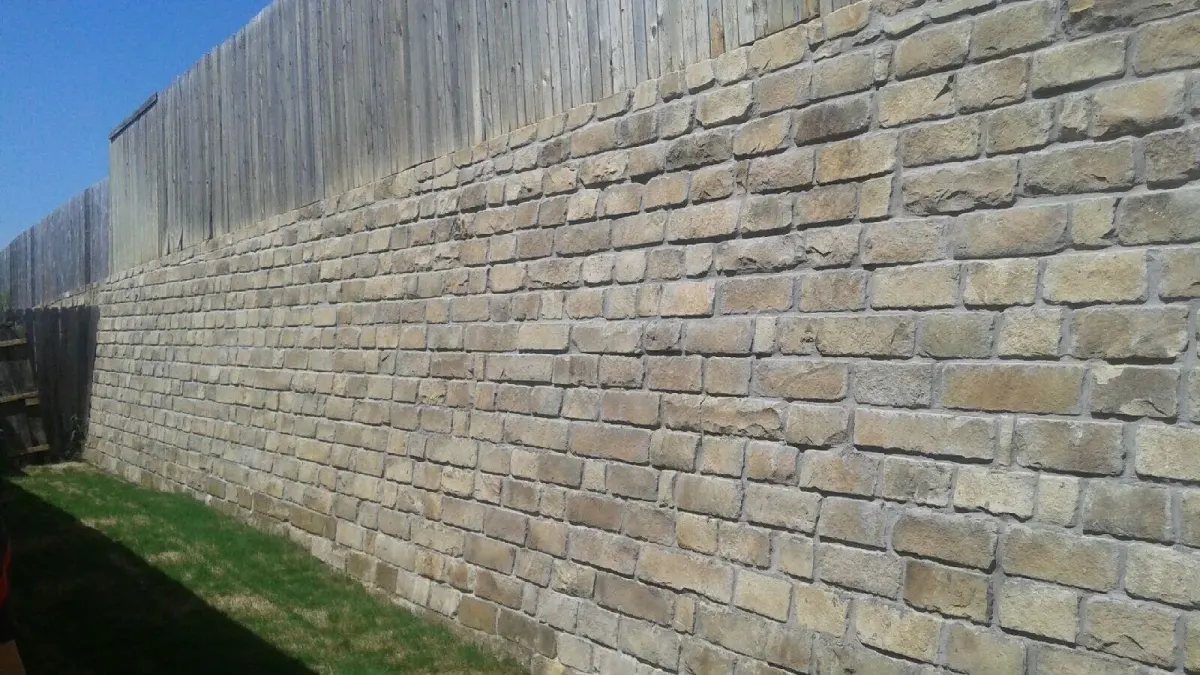
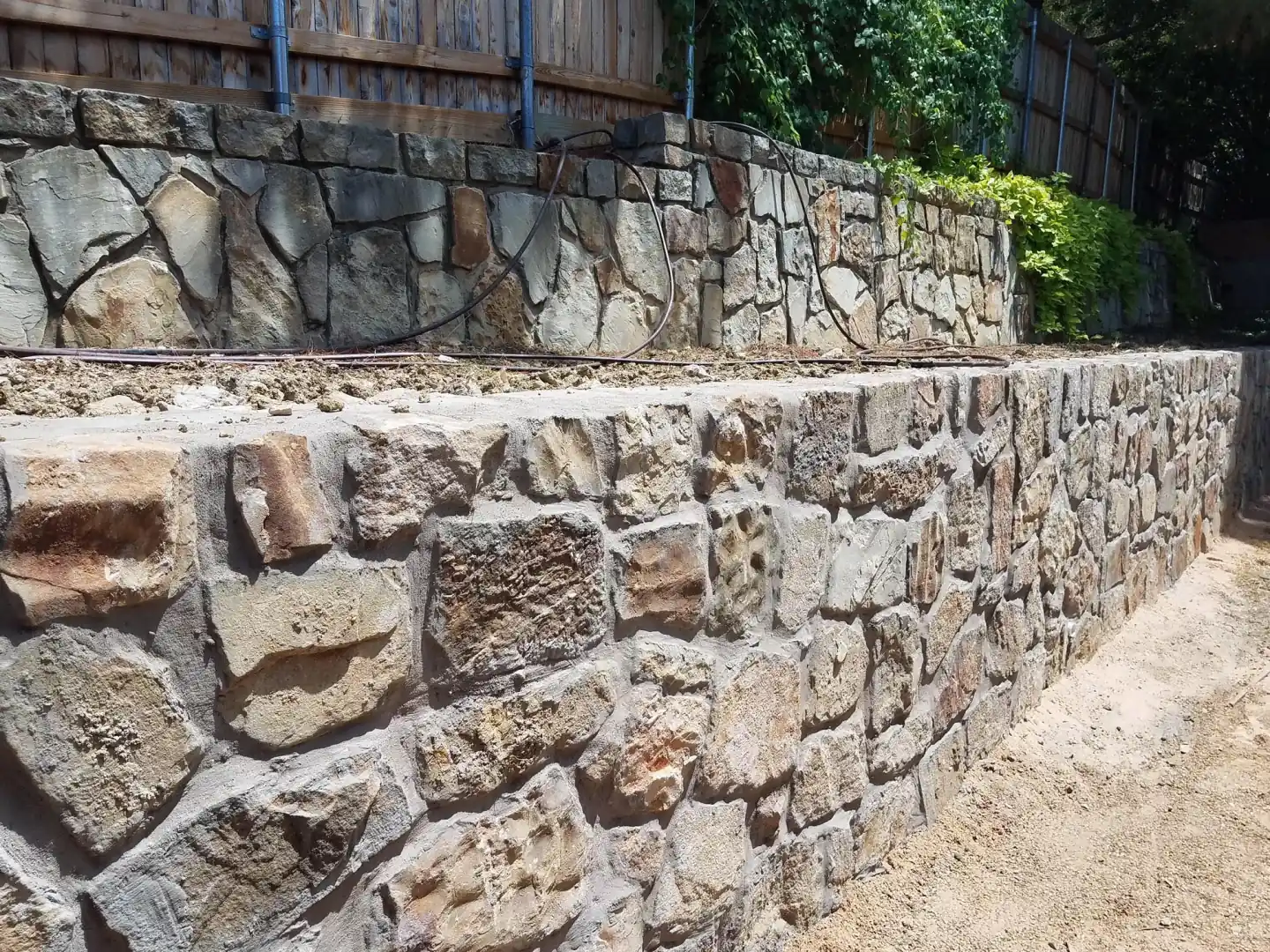
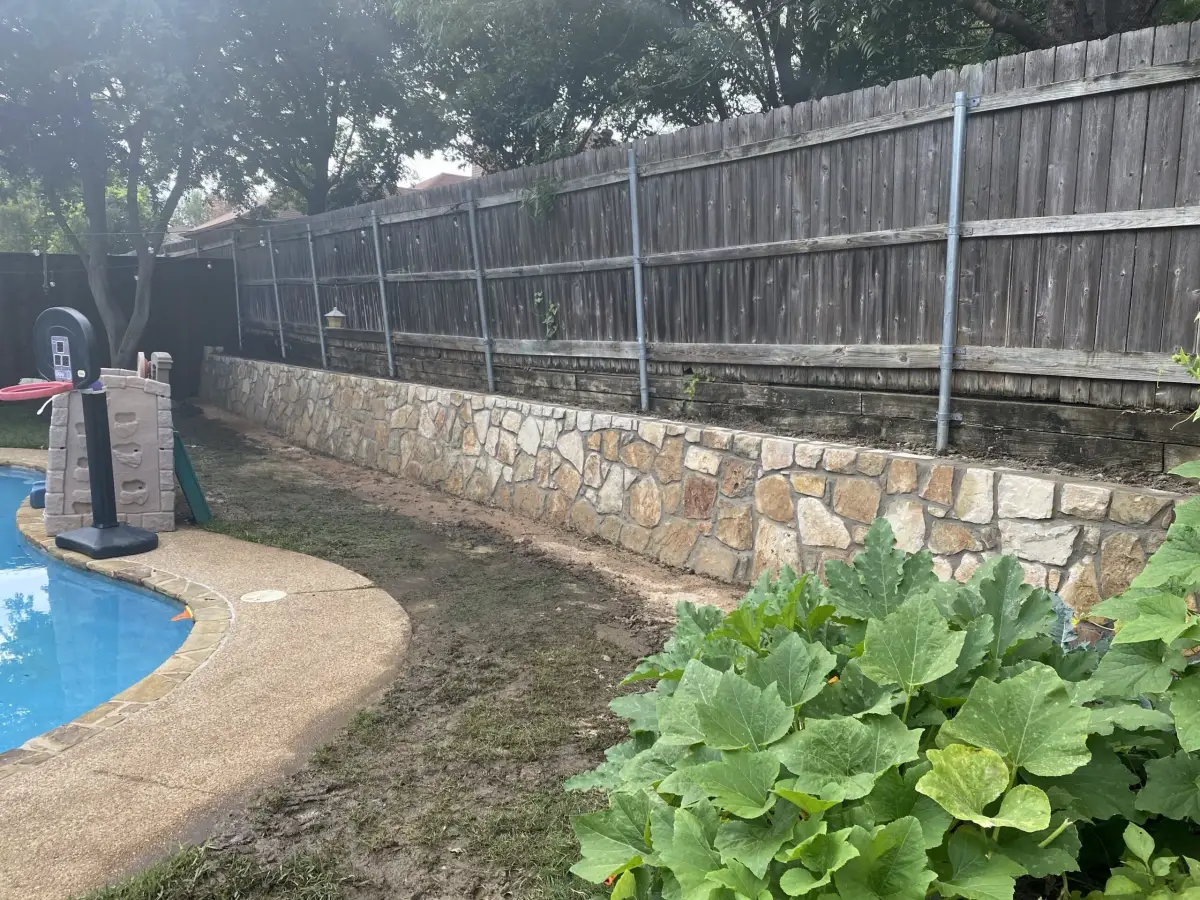
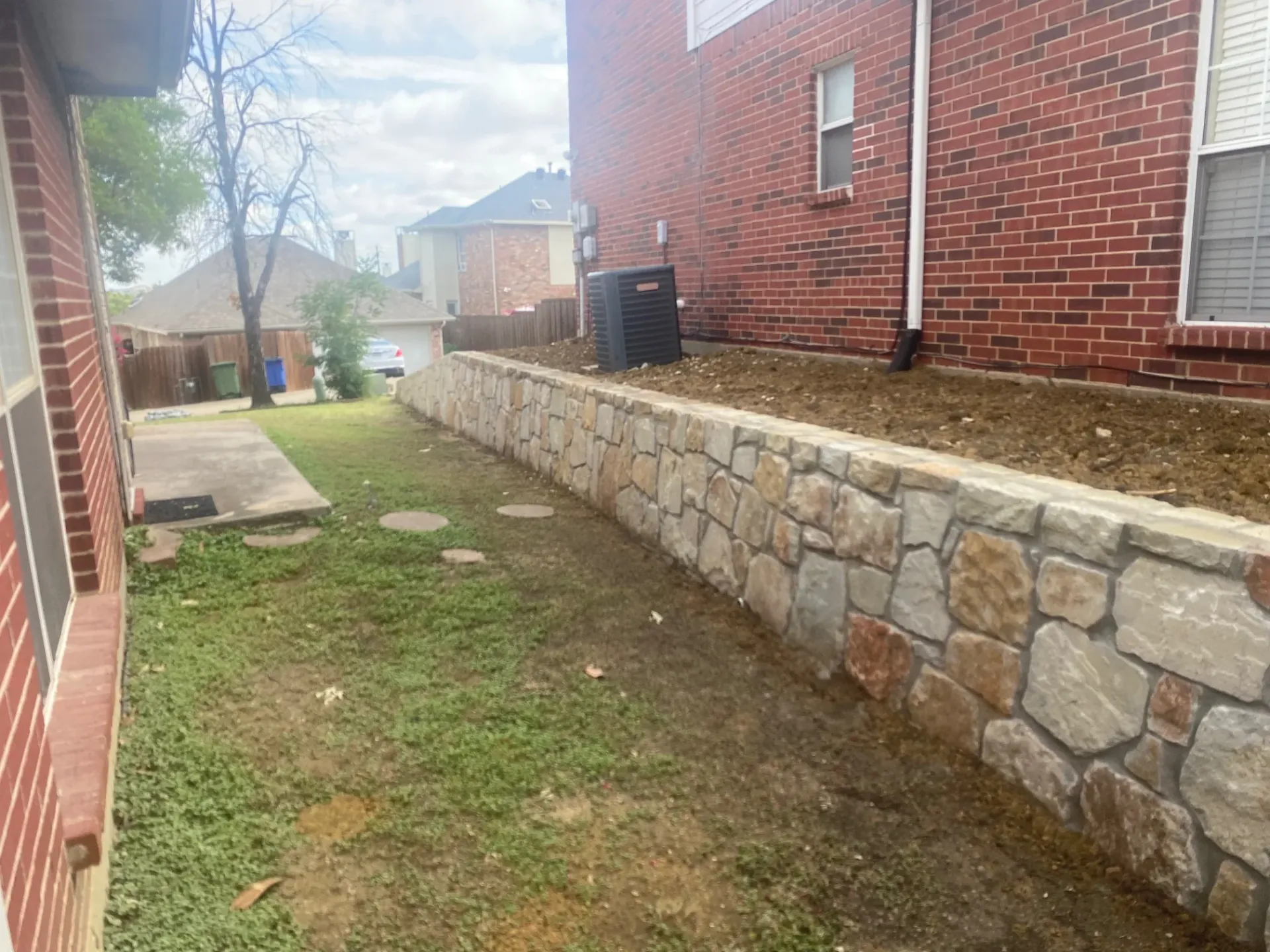
Recent Retaining Wall Services Projects
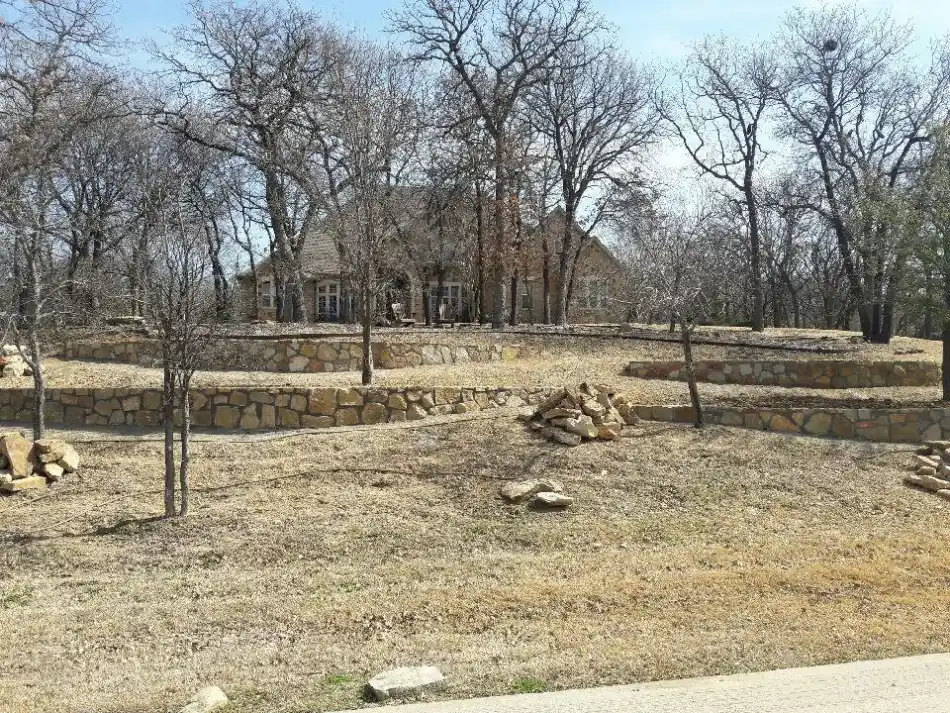
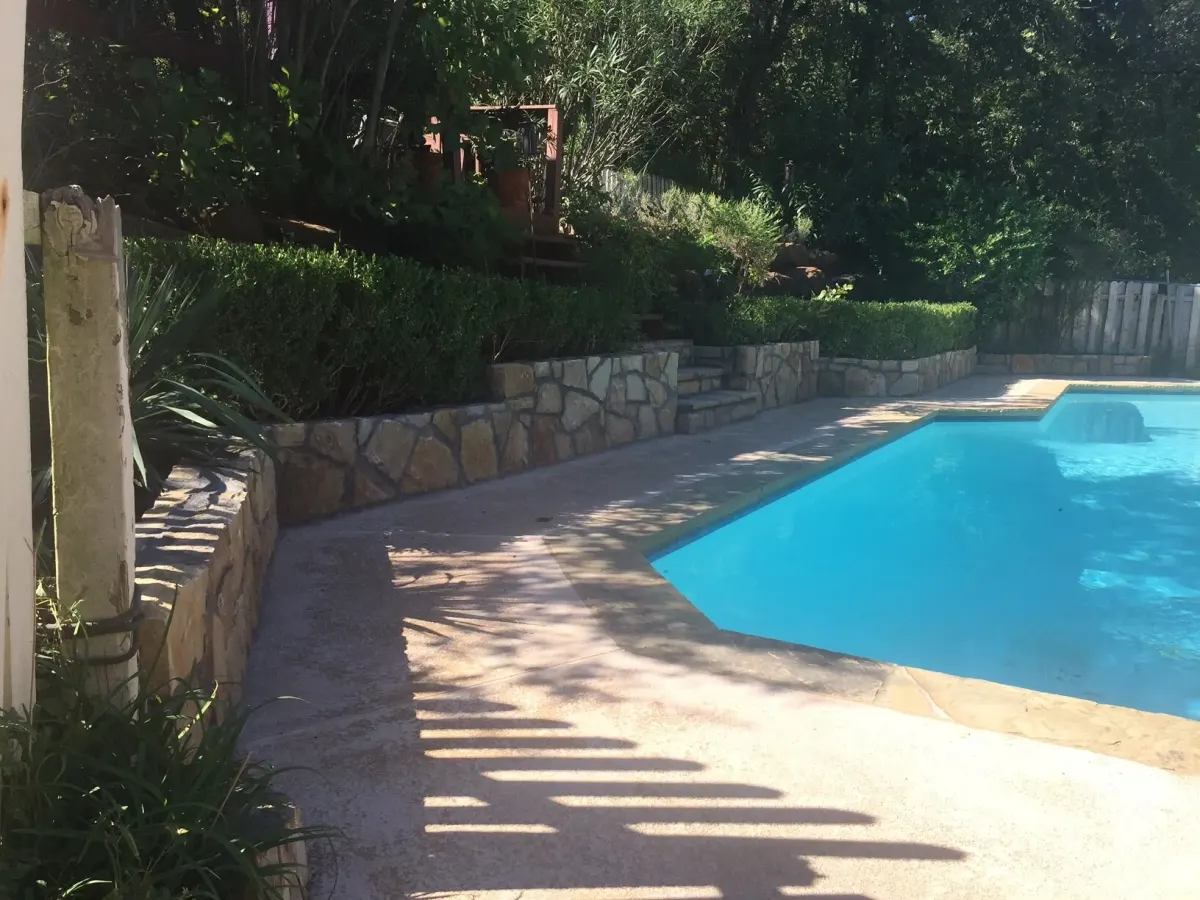
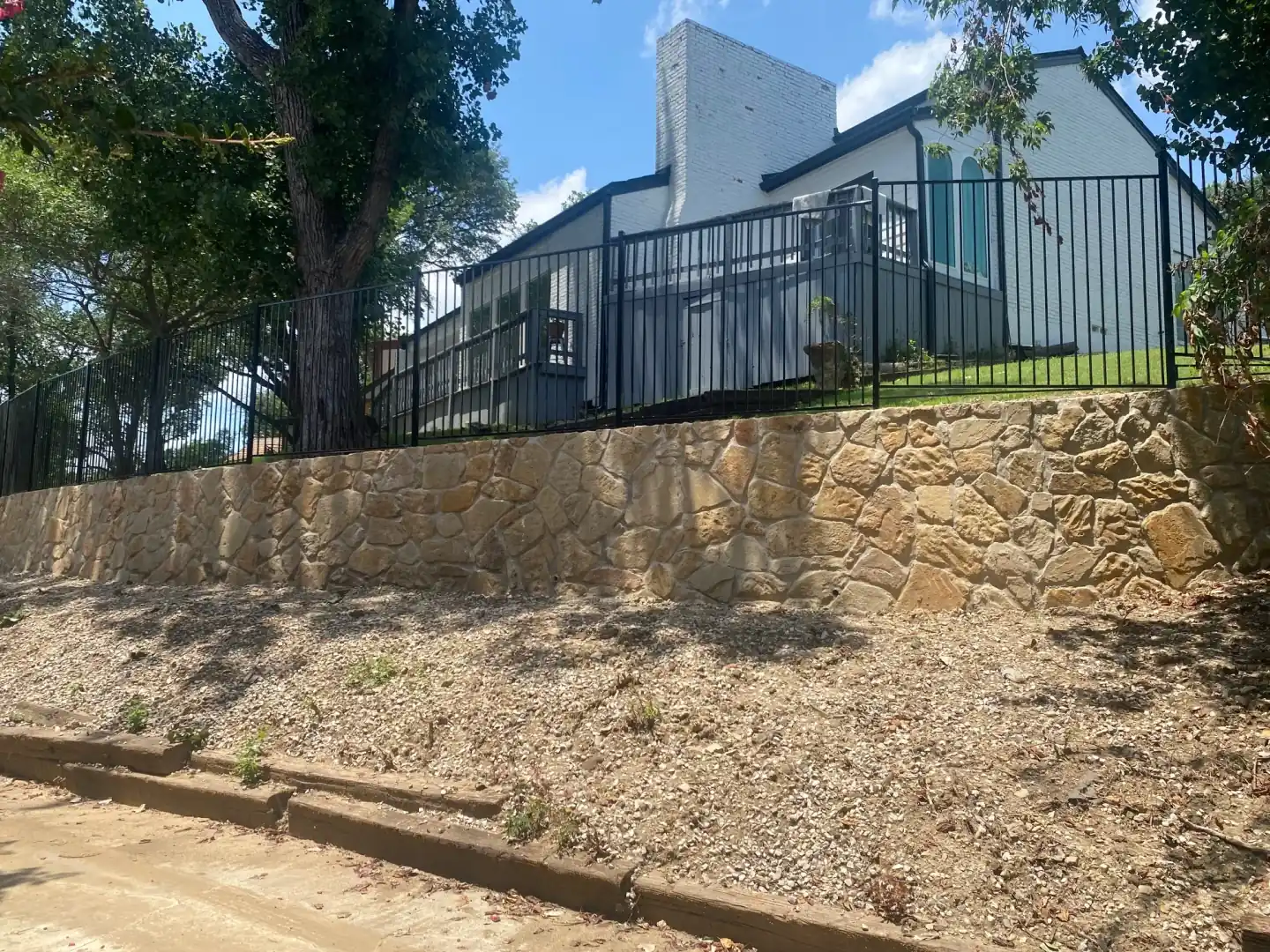
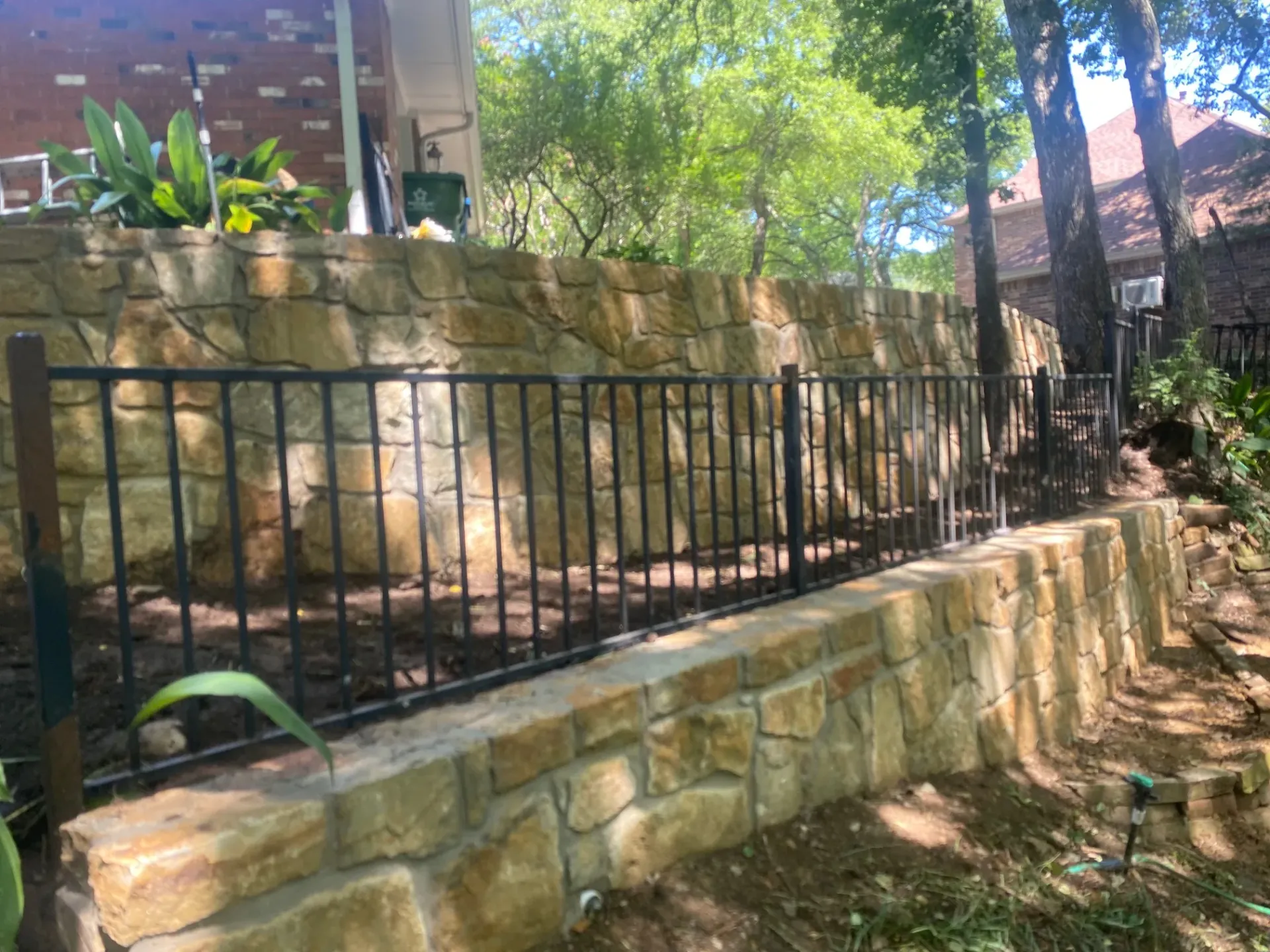
A selection of completed projects near Watauga and across the Dallas–Fort Worth metroplex.
Quick answer
How much does a retaining wall replacement cost in Watauga?
Cost depends on wall length, height, material choice, and how much drainage work the site needs. JCL provides guaranteed pricing after a free on-site estimate, so the quote you receive is the price you pay with no change-order surprises once construction begins.
Frequently Asked Questions
Common questions from Watauga homeowners.
How much does a retaining wall replacement cost in Watauga?
Cost depends on wall length, height, material choice, and how much drainage work the site needs. JCL provides guaranteed pricing after a free on-site estimate, so the quote you receive is the price you pay with no change-order surprises once construction begins.
Do I need a permit to replace a retaining wall in Watauga?
Permit requirements depend on the wall's height and scope, and they vary by jurisdiction within Tarrant County. JCL identifies what's needed for your specific project and handles obtaining and managing the permit, so you're not navigating that process yourself.
How long does a retaining wall project take from estimate to finished build?
JCL typically provides a free on-site estimate the same day or the next day after you call. Build timelines after that depend on wall size and material, and permitting timelines when a permit is required, but scheduling from JCL's nearby Colleyville base keeps the process moving without long gaps.
What's the difference between repairing a section of wall and replacing the whole thing?
If only a section is affected and the rest of the wall is structurally sound, a targeted repair can be enough. But if the failure traces back to the original footing, drainage, or material — common with older railroad-tie walls — a full replacement is usually the more durable fix, and JCL will tell you which situation you're in during the estimate.
Can a new retaining wall be built to handle Tarrant County's clay soil better than my old one?
Yes — that's the core of how JCL designs walls in this area. Engineering the footing depth, drainage, and material choice around how expansive clay expands and contracts seasonally is what prevents the leaning and bowing that affects older, less-engineered walls.
What materials does JCL use for retaining walls in Watauga?
JCL builds with Milsap or Granbury stone, concrete block, or poured concrete, chosen based on the site's grade, drainage needs, and the look the homeowner wants. Each material is engineered with proper drainage behind the wall rather than relying on the material alone to hold back soil.
How do I know if my wall problem is urgent or something I can monitor?
Visible movement — a leaning section, a shifted cap stone, or soil escaping past the base — signals the wall is actively failing and shouldn't wait. Standing water or a slumping slope without visible wall damage yet is worth a same-day estimate to catch before it becomes a structural issue.
How do I get started with JCL for a Watauga retaining wall project?
Call to schedule a free on-site estimate, typically available the same day or the next. A crew evaluates the wall or slope in person, provides guaranteed pricing, and if you move forward, JCL handles permitting and construction from there.
Our Other Services
Retaining Wall Services and Pool Removal across the Dallas–Fort Worth metroplex.