
JCL Landscape Services
Southlake Retaining Wall Contractors
JCL Landscape Services is a retaining wall and pool removal specialist serving the Dallas–Fort Worth metroplex since 2006.
Southlake homeowners with a leaning, bowing, or railroad-tie wall get engineered replacement built for North Texas clay — not another quick patch.
- Free estimates from JCL's Colleyville base
- Engineered for expansive Tarrant County clay soil
- Permits handled start to finish
Get Your Free Estimate
 4.8out of 5 on Google Reviewson Google113 Google reviews
Trust & Credentials
4.8out of 5 on Google Reviewson Google113 Google reviews- 5,000+ Completed retaining wall and pool-removal projects
- 4.8 stars Google rating across 113 reviews
- A+ BBB accreditation rating
- 5-year Workmanship warranty on every retaining wall
- Since 2006 In continuous operation
Serving Southlake, TX
A retaining wall in Southlake usually gets attention for a reason you can see: a section of railroad-tie wall that's pulled away from the slope behind it, a stone course that's shifted out of plane, or a low spot in the yard that stays wet long after the rest of the property has dried. Sometimes it's a slope that's started to slump toward a patio or fence line.
Whatever the trigger, the decision is the same — patch what's failing or replace it with something engineered to hold through another wet spring and dry summer.
JCL serves Southlake, TX in Tarrant County, along with Colleyville, Grapevine, Keller, and Trophy Club. Our base in Colleyville sits roughly 4 miles from Southlake, which keeps estimate scheduling and crew logistics straightforward for homeowners here. JCL has completed more than 5,000 retaining wall and pool-removal projects for DFW property owners since 2006.
Signs a Southlake Wall Needs More Than a Quick Fix
A railroad-tie wall that's leaning or has gaps opening between the ties is past the point where a homeowner can shore it up and expect it to hold. So is a stone or block wall with a course that's shifted out of line, or a section that's visibly bowing outward under pressure from the slope behind it.
Water is the other tell. If the base of a wall stays wet or muddy days after rain has stopped elsewhere in the yard, drainage behind the wall has already failed — the wall is holding back water it was never built to manage.
Once either sign shows up, the choice is between patching a symptom and replacing the wall with a system built for the soil movement that caused the problem in the first place.
Why Clay Soil and Seasonal Rain Wear Down Walls Here
North Texas clay expands when it's wet and contracts as it dries, and that cycle repeats every year. A wall that isn't engineered for that movement — especially an older railroad-tie or timber wall — gets pushed, pulled, and gradually loosened with each season.
Drainage behind the wall matters as much as the wall material itself. Without a way for water to escape, hydrostatic pressure builds against the back of the wall, and that pressure is what eventually tips a wall forward or pulls the fasteners loose.
A wall built for this soil accounts for both — the material has to hold, and the water behind it has to have somewhere to go.
What Happens After You Call JCL From Southlake
JCL schedules a free on-site estimate for Southlake properties, usually the same day or the next, working out of JCL's Colleyville base about 4 miles away. A crew member walks the wall or slope in question, looks at drainage and soil conditions, and puts together a quote for the material and scope that fits the site.
That quote is the price you pay — there's no change-order surprise once work starts. If the project requires a permit, JCL obtains and manages it rather than leaving that step to the homeowner.
From there, scheduling the build follows the same short loop that covers Colleyville, Grapevine, Keller, and Trophy Club — proximity keeps the timeline tight.
Why a Small Lean Now Becomes a Bigger Repair Later
A wall that's leaning a few degrees isn't a stable condition — it's a wall in the process of failing. Left alone, the soil behind it keeps shifting, the lean increases, and more of the structure has to come out and be rebuilt rather than just repaired.
Erosion compounds the same way. A small washed-out section next to a wall base can widen with every rain event until it's undermining a larger stretch of the wall or the ground near a foundation.
Addressing a lean or a drainage issue early usually means a smaller scope of work — fewer feet of wall, less excavation, and a shorter project than waiting until the problem spreads.
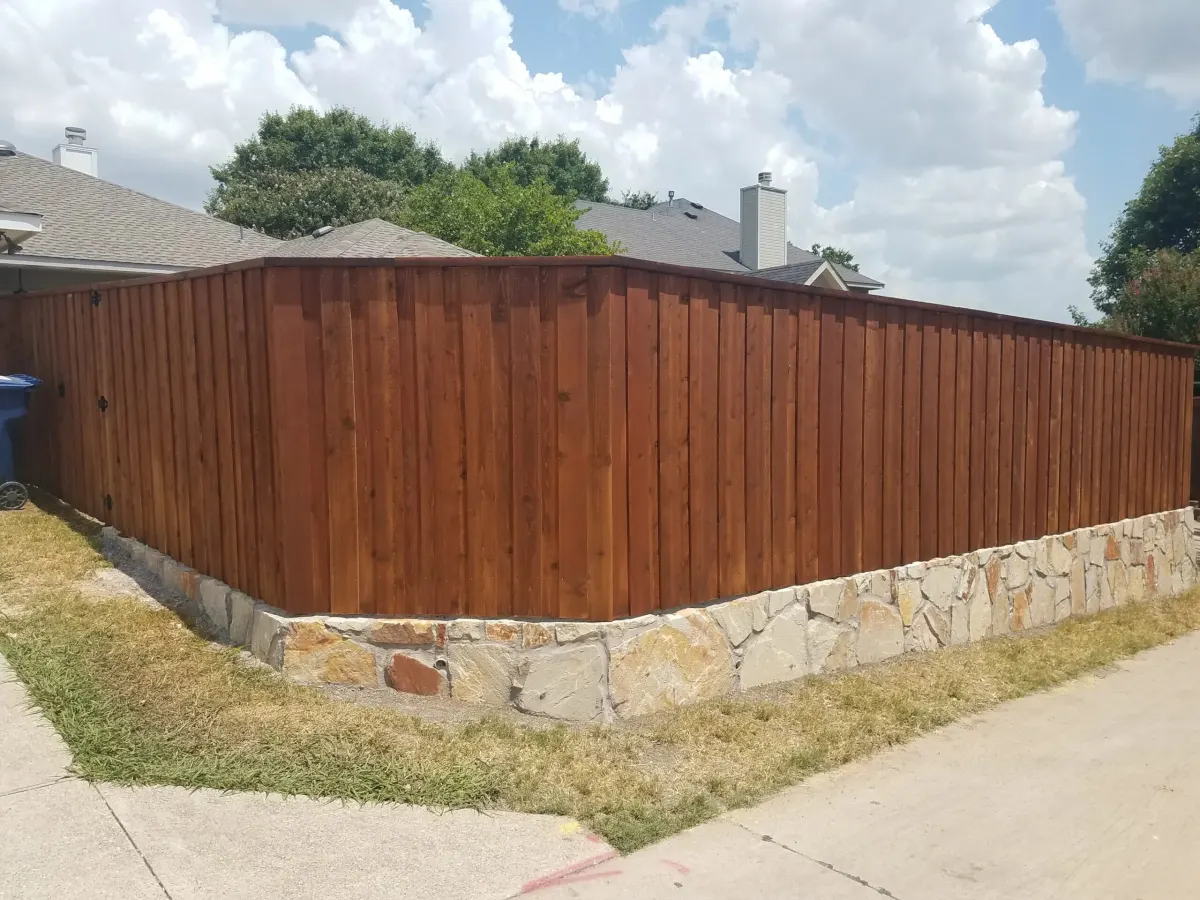
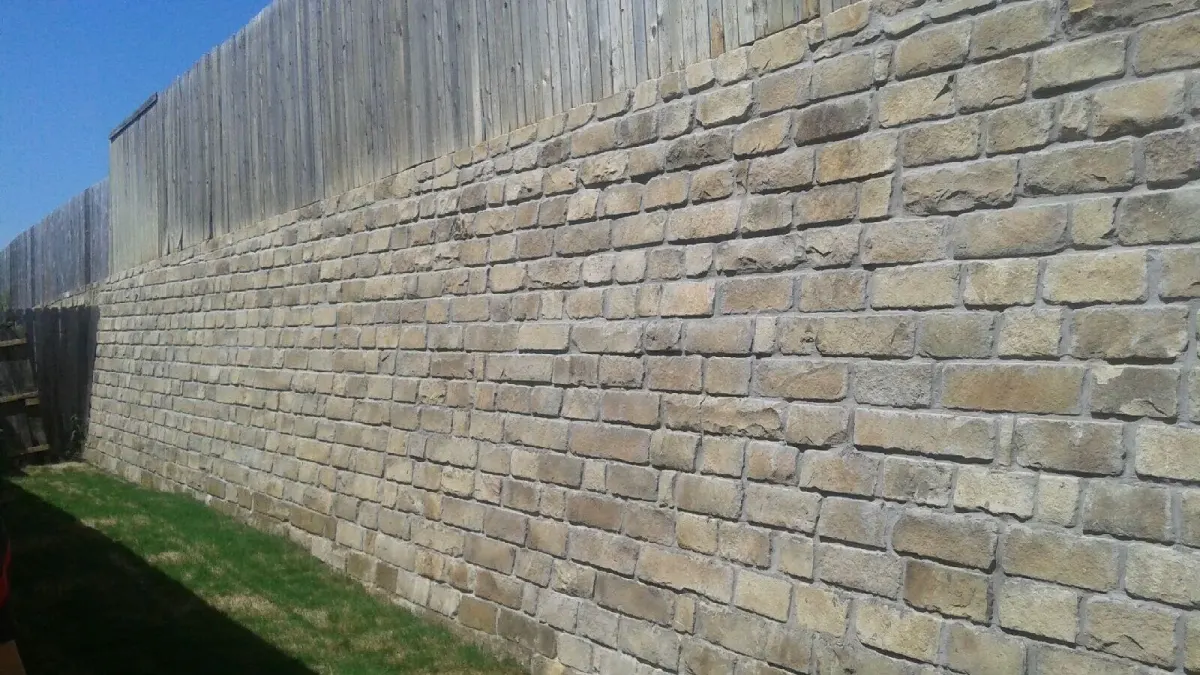
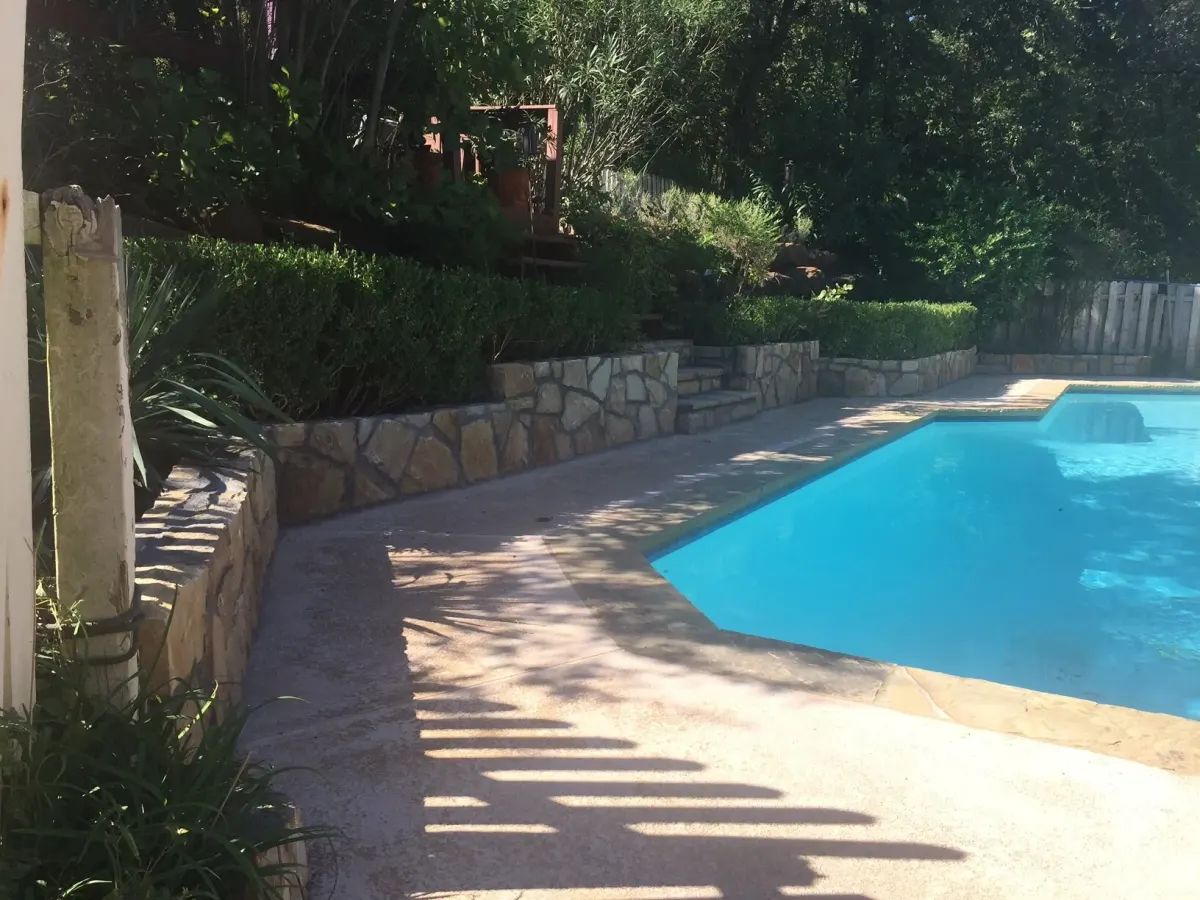
Recent Retaining Wall Services Projects
A selection of completed projects near Southlake and across the Dallas–Fort Worth metroplex.
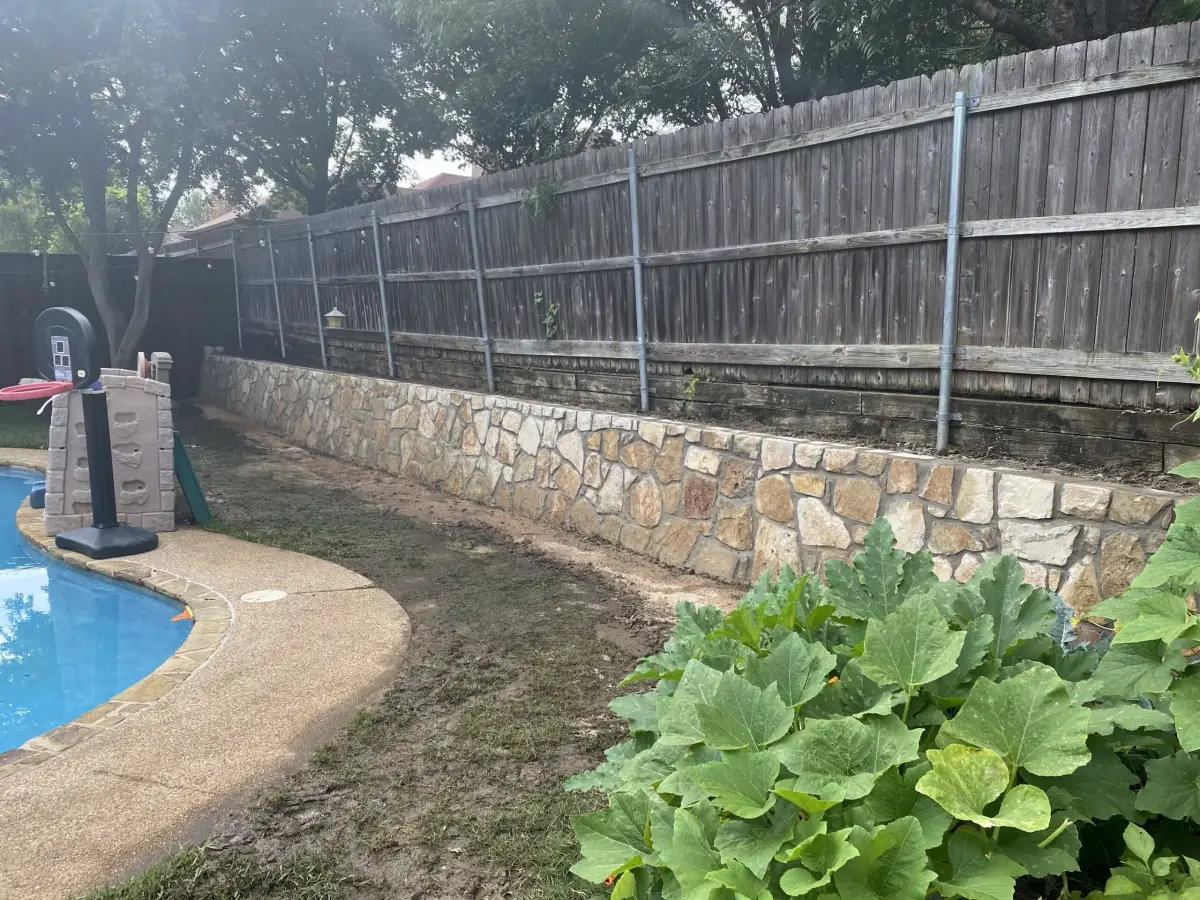

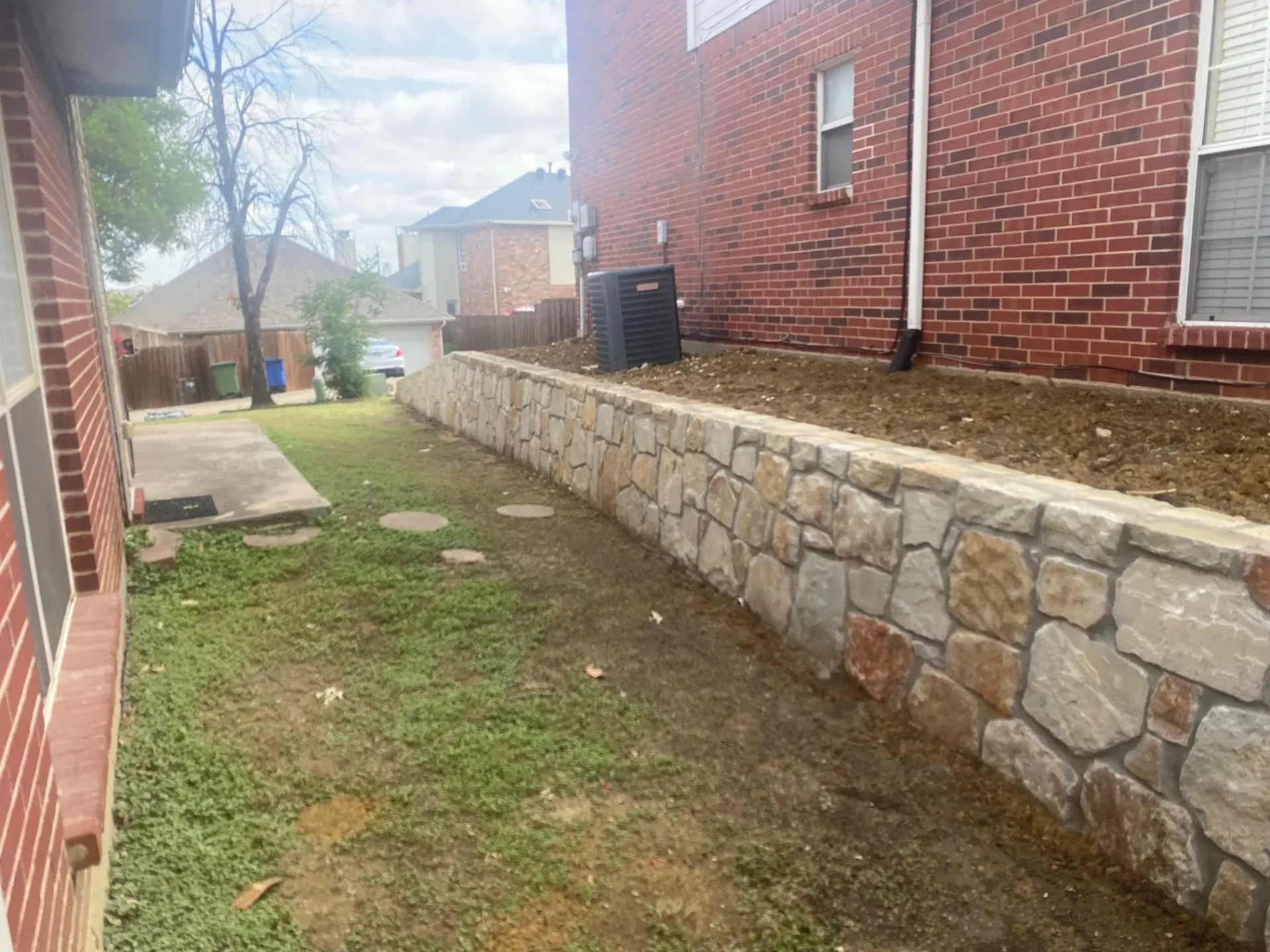
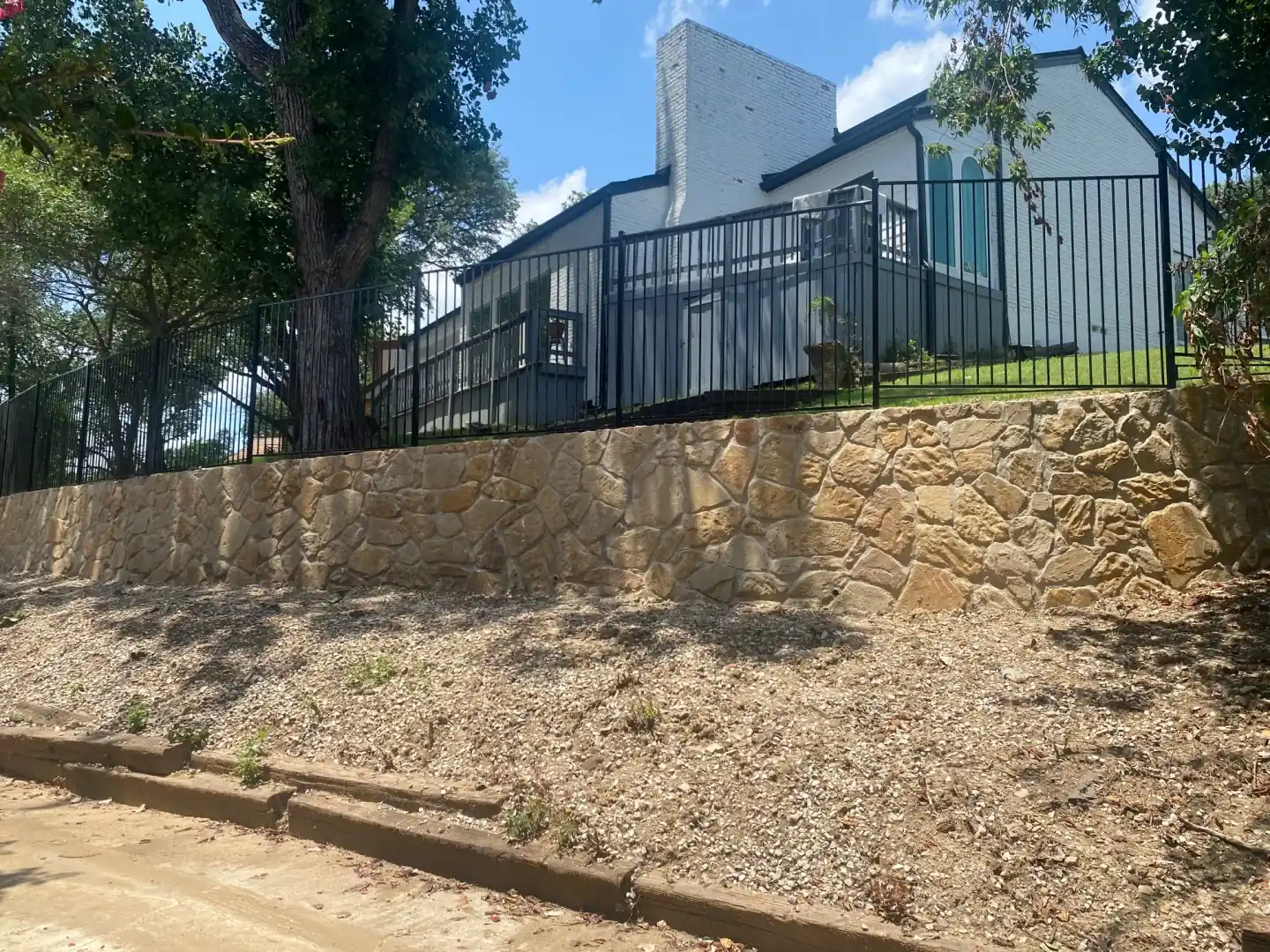
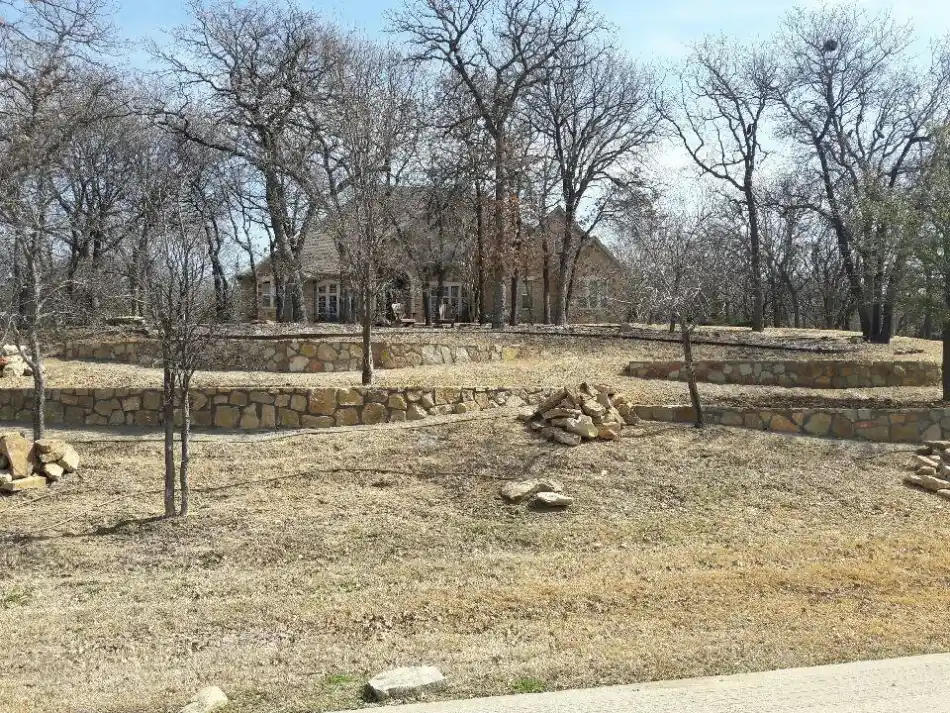
Quick answer
How much does a retaining wall cost in Southlake?
Cost depends on wall length, height, material choice — Milsap or Granbury stone, block, or poured concrete — and site access. JCL provides a free on-site estimate and a guaranteed quote before work begins, so there's no change-order surprise partway through the project.
Frequently Asked Questions
Common questions from Southlake homeowners.
How much does a retaining wall cost in Southlake?
Cost depends on wall length, height, material choice — Milsap or Granbury stone, block, or poured concrete — and site access. JCL provides a free on-site estimate and a guaranteed quote before work begins, so there's no change-order surprise partway through the project.
How long does it take to go from estimate to a finished wall?
Estimates are typically scheduled same-day or next-day once you call. Build timelines vary by wall size, material, and whether permitting is required, but JCL handles the permit process directly so it doesn't add delay on your end.
Do I need a permit to replace a retaining wall in Southlake?
Requirements depend on the wall's height and location, but JCL obtains and manages any permit the project needs. You don't have to navigate that process yourself.
Can a railroad-tie wall be replaced with stone or concrete?
Yes. Failing timber and railroad-tie walls are commonly replaced with Milsap or Granbury stone, concrete block, or poured concrete — materials engineered to hold against North Texas clay soil movement rather than rot or shift the way timber does.
Why do retaining walls fail in this area specifically?
Tarrant County's expansive clay soil expands and contracts with seasonal moisture, putting repeated pressure on a wall. Combined with poor drainage behind the wall, that movement is what causes leaning, bowing, and eventual collapse in walls not built for it.
Does JCL work outside Southlake as well?
Yes. JCL is based in Colleyville, about 4 miles from Southlake, and also serves Grapevine, Keller, and Trophy Club — so scheduling and crew logistics stay efficient across all of these markets.
What's covered by the warranty on a new wall?
Every retaining wall JCL builds is backed by a 5-year workmanship warranty, covering the construction of the wall itself.
How do I know if my wall needs replacement instead of repair?
Visible leaning, bowing, gaps between railroad ties, shifted stone courses, or standing water near the wall base are signs it's past a simple repair. A free on-site estimate will tell you whether the issue is isolated or affects the whole structure.
Our Other Services
Retaining Wall Services and Pool Removal across the Dallas–Fort Worth metroplex.
About Our Retaining Wall Services Program
Recent Retaining Wall Projects Near Southlake
Real completed jobs from our crews in and around Southlake, with photos and project details.